Email No Sign Up: Temporary Solutions for Privacy
March 27, 2026
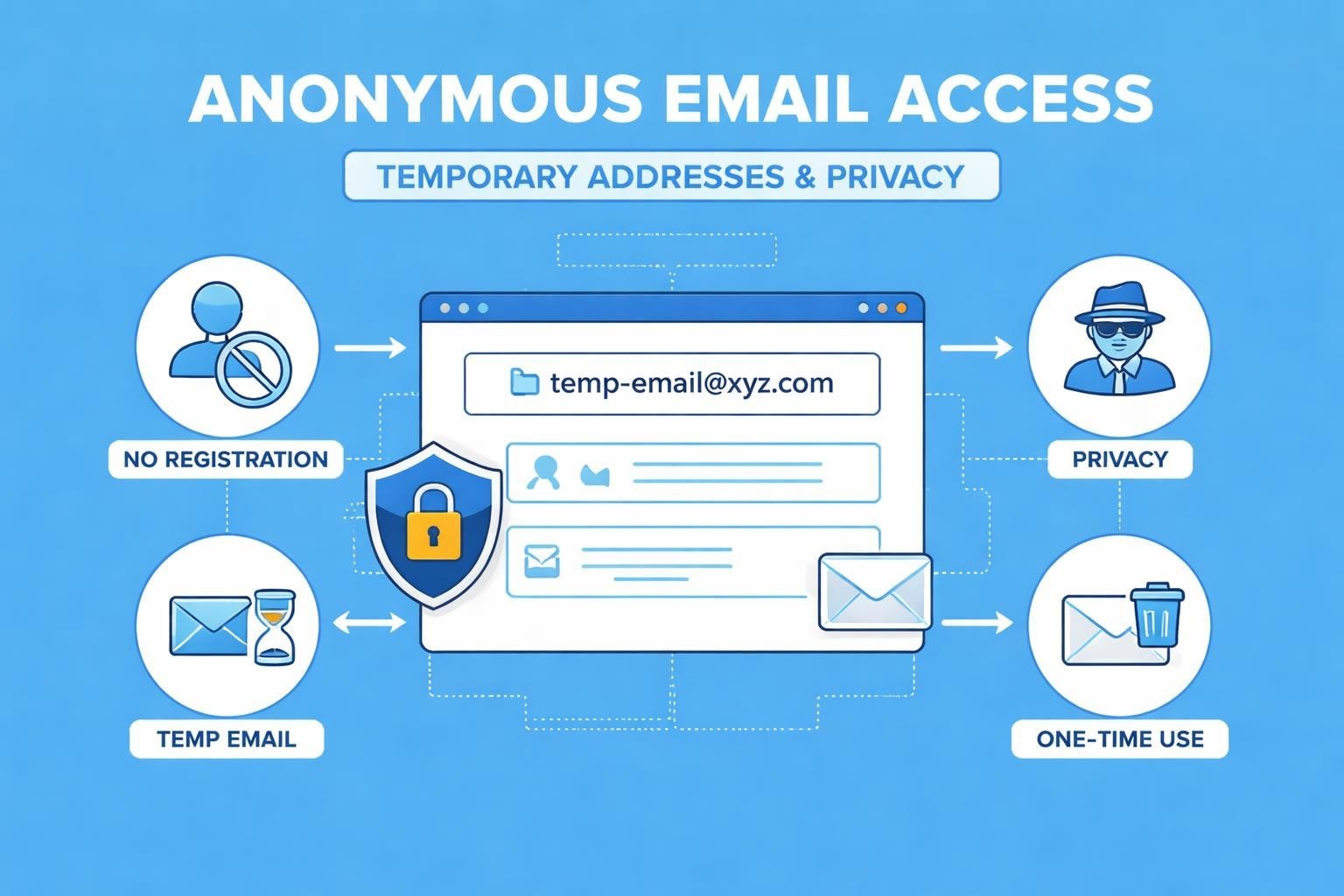
The digital landscape in 2026 demands a constant exchange of email addresses for registrations, downloads, and subscriptions. However, many users seek alternatives that protect their privacy without committing to permanent accounts. Email no sign up services have emerged as a practical solution, allowing individuals and businesses to receive messages without creating traditional accounts. These temporary email services serve multiple purposes, from testing platforms to protecting primary inboxes from unwanted correspondence.
Understanding Email No Sign Up Services
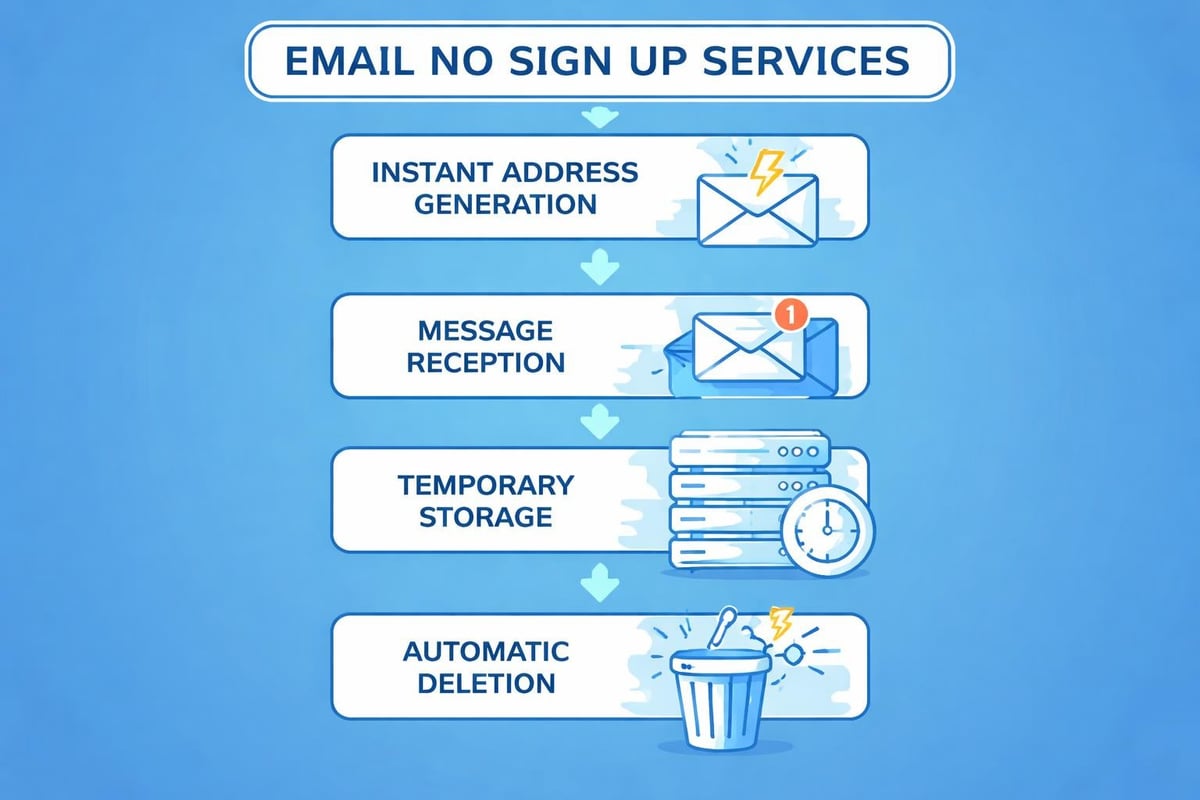
Email no sign up platforms operate on a fundamentally different model than conventional email providers. Rather than requiring users to create accounts with passwords and personal information, these services generate temporary email addresses instantly. The addresses remain active for limited periods, ranging from minutes to hours, depending on the platform.
Key characteristics of these services include:
- Instant address generation without registration forms
- No password requirements or account management
- Automatic message deletion after specified timeframes
- Public or private inbox options depending on the service
- Cross-platform accessibility through web browsers
The technology behind email no sign up solutions relies on disposable domains and automated systems that create and destroy mailboxes continuously. Users simply visit the platform, receive a temporary address, and access incoming messages through a web interface. This streamlined approach eliminates the friction associated with traditional email account creation whilst maintaining functional communication capabilities.
Privacy Benefits and Use Cases
Organisations and individuals employ email no sign up services for various legitimate purposes. Privacy protection ranks as the primary motivation, particularly when interacting with unfamiliar websites or services. Rather than exposing a professional email address to potential data harvesting, users can utilise temporary addresses for one-time interactions.
Software developers and quality assurance teams frequently leverage these services during testing phases. When validating registration workflows, email verification processes, or notification systems, temporary addresses provide ideal testing environments without cluttering production email systems. Marketing professionals also use them to preview competitor campaigns and analyse industry email strategies.
| Use Case | Benefit | Ideal Duration |
|---|---|---|
| Website Testing | Avoid spam accumulation | 1-2 hours |
| Competition Entries | Privacy protection | 24 hours |
| Trial Subscriptions | Prevent long-term tracking | 7 days |
| Software Downloads | Quick verification | 30 minutes |
Popular Email No Sign Up Platforms
The market offers numerous providers, each with distinct features and capabilities. Guerrilla Mail represents one of the most established services, offering scrambled addresses that change regularly to enhance privacy. Users can access their temporary inbox immediately without any registration process, making it suitable for quick verifications.
Mailinator takes a unique approach by providing public inboxes that anyone can access. Whilst this reduces privacy for sensitive communications, it proves invaluable for collaborative testing environments where multiple team members need visibility. The platform supports custom domain configurations for enterprises requiring branded temporary addresses.
Evaluating Service Quality
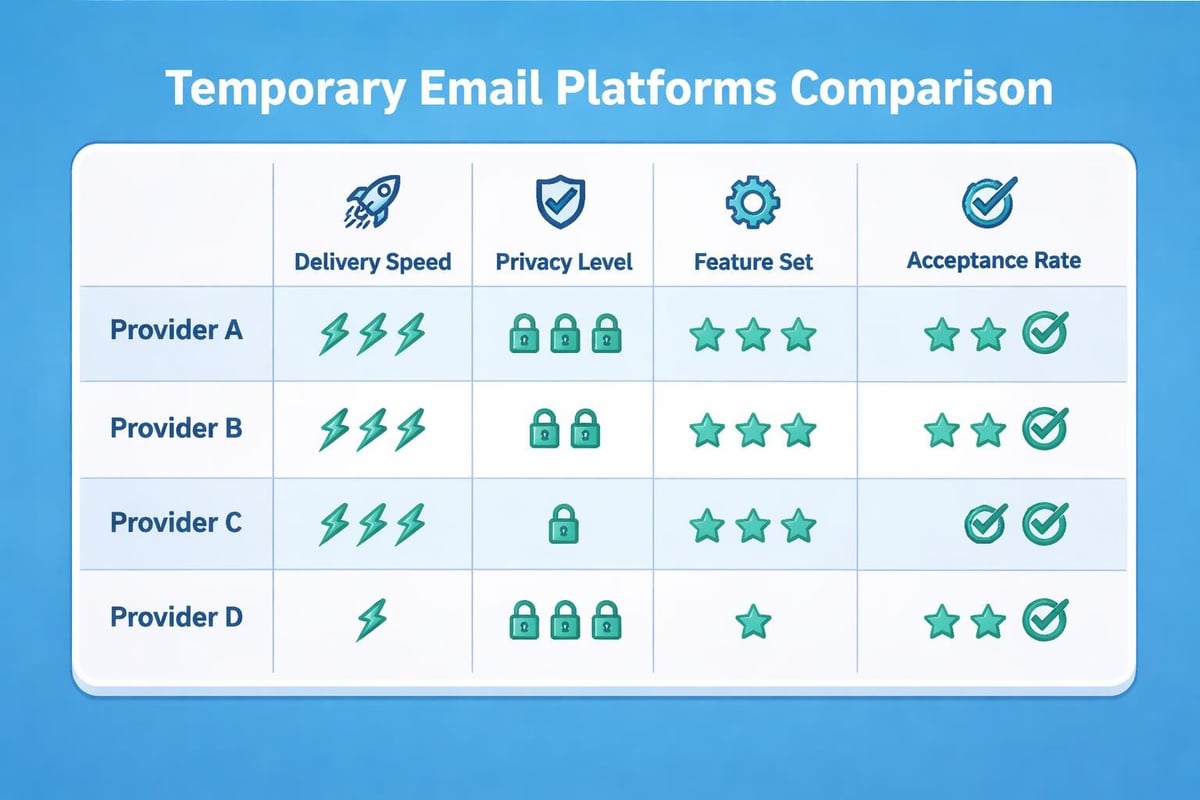
When selecting an email no sign up solution, several factors determine effectiveness and reliability. Response time matters significantly, as some services experience delays that prevent timely receipt of verification codes or time-sensitive messages. The most reliable platforms deliver messages within seconds, comparable to permanent email providers.
Assessment criteria include:
- Message delivery speed and reliability
- Inbox lifespan and extension options
- Spam filtering capabilities
- Mobile accessibility and responsive design
- Attachment support and file size limits
- Domain reputation with external services
Services like EmailOnDeck prioritise speed and simplicity, refreshing addresses automatically whilst maintaining active sessions. Fake Mail Generator offers multiple domain options, increasing the likelihood of acceptance by websites that block common temporary email domains.
Domain reputation presents a critical consideration, as many platforms now maintain blacklists of known temporary email services. Businesses implementing email verification processes often reject addresses from recognised disposable providers to ensure legitimate user registration.
Security Considerations and Limitations
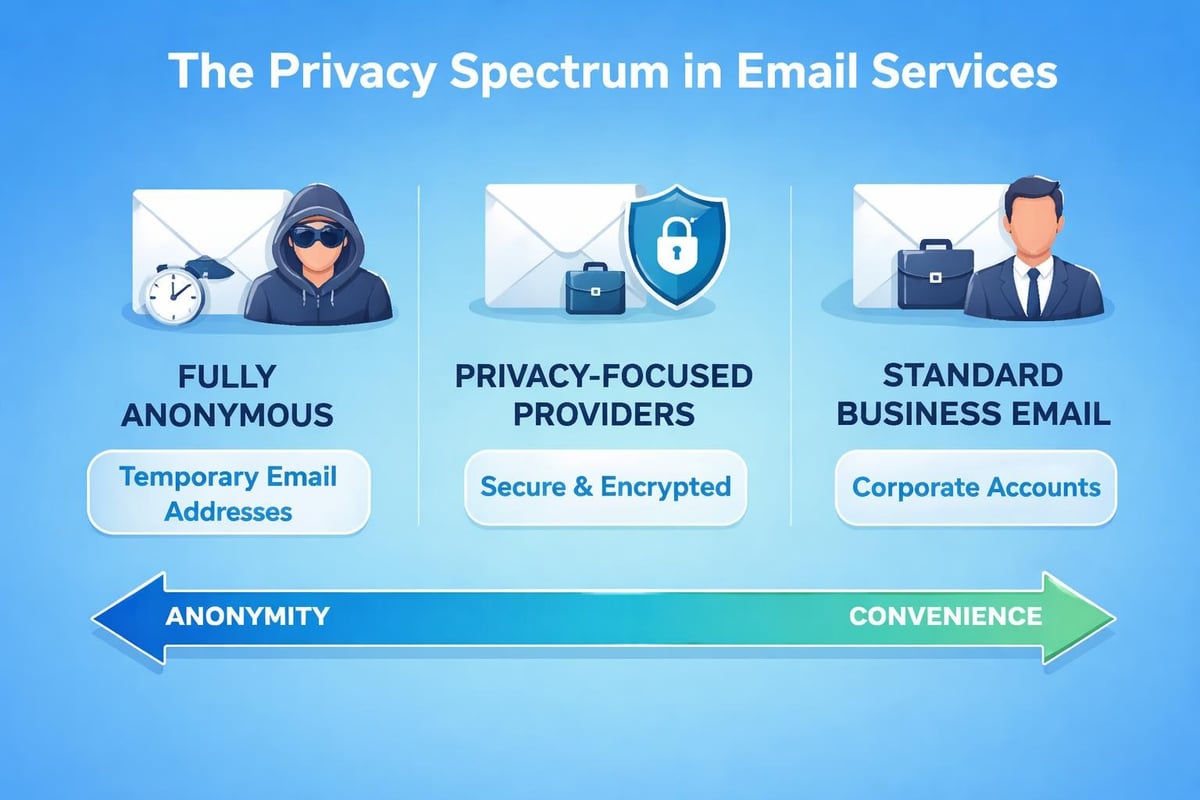
Email no sign up services prioritise convenience over comprehensive security. Unlike secure email providers that offer end-to-end encryption and robust privacy protections, temporary platforms typically lack advanced security features. Messages transmitted through these services should never contain sensitive personal information, financial details, or confidential business data.
The ephemeral nature of these addresses creates inherent vulnerabilities. Anyone who discovers the temporary address can potentially access the inbox, particularly on platforms using public mailbox systems. Additionally, the automatic deletion mechanisms mean important messages disappear permanently without recovery options.
When Not to Use Temporary Email
Certain situations absolutely require permanent, verified email addresses rather than temporary alternatives. Financial transactions, legal documentation, healthcare communications, and employment-related correspondence demand the accountability and traceability that only established email accounts provide. Business email accounts serve essential functions that temporary services cannot replicate.
Long-term subscriptions, customer relationship management, and ongoing professional communications necessitate stable email infrastructure. Small businesses particularly benefit from dedicated email systems that maintain message history, enable organised filing, and support team collaboration features unavailable through email no sign up platforms.
Integration with Business Workflows
Professional environments can strategically incorporate email no sign up services whilst maintaining primary communication channels. Marketing departments utilise these tools for competitive intelligence, monitoring industry newsletters and promotional campaigns without exposing corporate email addresses to tracking systems.
Development teams establish testing protocols that leverage temporary addresses for quality assurance processes. By creating standardised workflows around disposable email usage, organisations protect production environments whilst maintaining thorough testing coverage. This approach proves particularly valuable when evaluating third-party integrations or validating automated email sequences.
Strategic implementation steps:
- Define clear use case boundaries for temporary versus permanent email
- Document approved platforms that meet security requirements
- Establish data handling protocols for information received
- Train team members on appropriate usage scenarios
- Monitor domain reputation to ensure continued acceptance
The TechRadar review of temporary email services highlights platforms that balance functionality with reliability, helping businesses select appropriate tools for their specific requirements. However, these services complement rather than replace professional email infrastructure.
| Feature | Temporary Email | Professional Email |
|---|---|---|
| Account Creation | Instant, no details | Requires verification |
| Message Retention | Hours to days | Indefinite |
| Security Level | Basic | Advanced encryption |
| Professional Image | Not suitable | Essential |
| Cost | Free | Subscription-based |
Privacy-Focused Permanent Alternatives
For users seeking privacy without the limitations of email no sign up services, several providers offer middle-ground solutions. These platforms require minimal registration but deliver enhanced security and longer-term usability. Services reviewed in the Mailbox.org assessment demonstrate how privacy-conscious providers balance user protection with functional email capabilities.
The Posteo review showcases another approach, where anonymous payment options and strict data minimisation policies create privacy-respecting permanent email solutions. These alternatives suit users who value privacy but require reliable, ongoing email access for legitimate purposes.
Balancing Convenience and Professionalism
Small business owners face unique challenges when managing email requirements. Whilst email no sign up services offer convenient solutions for specific tasks, they cannot substitute for the credibility and functionality that professional email addresses provide. Customers expect communications from recognised domains that reflect brand identity and inspire confidence.
Understanding which email clients support various address types helps businesses maintain appropriate communication channels. Professional platforms enable custom domains, organised folder structures, and collaborative features essential for growing organisations. The investment in proper email infrastructure pays dividends through improved deliverability, enhanced brand perception, and streamlined team coordination.
Managing Multiple Email Needs
Modern professionals often require several email addresses serving different purposes. The challenge lies in managing these channels efficiently without overwhelming daily workflows. Temporary email no sign up services handle throwaway needs, whilst dedicated professional addresses manage client communications and internal collaboration.
Organisational strategies include:
- Primary professional address for client and partner communications
- Departmental addresses for team-specific correspondence
- Temporary addresses for one-time registrations and testing
- Dedicated addresses for newsletter subscriptions and marketing research
- Archive addresses for historical record retention
This segmented approach maintains inbox organisation whilst leveraging appropriate tools for each communication type. Businesses benefit from email marketing platforms that integrate with their professional infrastructure, enabling coordinated campaigns whilst tracking engagement metrics.
The distinction between temporary and permanent email usage becomes clearer when mapped against business objectives. Client-facing communications demand consistency and reliability that only established email systems provide. Internal testing, research activities, and preliminary vendor evaluations suit temporary solutions that protect primary communication channels.
Technical Considerations for Developers
Software development teams integrate email no sign up services into continuous integration pipelines and automated testing frameworks. These platforms enable thorough email verification testing without maintaining dedicated test email infrastructure. API access, where available, streamlines automated test case execution and result validation.
However, developers must account for the temporary nature of these addresses when designing test suites. Hard-coded temporary addresses expire, requiring dynamic address generation or frequent test suite updates. Sophisticated testing frameworks incorporate address rotation and automatic inbox monitoring to maintain reliable test execution.
Organisations developing email-dependent applications benefit from understanding how various platforms interact with temporary email services. Some verification systems detect and reject disposable addresses, whilst others accept them without restriction. Comprehensive testing across multiple temporary email providers ensures broad compatibility and identifies potential user experience issues.
Cost-Benefit Analysis
Email no sign up services typically operate on free, ad-supported models, making them financially attractive for occasional use. However, the true cost extends beyond monetary considerations. Time spent managing temporary addresses, potential security risks, and limited functionality represent hidden expenses that accumulate with frequent usage.
For businesses evaluating email solutions, the comparison between free temporary services and professional platforms involves multiple dimensions. Whilst temporary addresses cost nothing financially, they provide minimal value for core business functions. Professional email systems deliver measurable returns through improved deliverability, enhanced credibility, and productivity-boosting features.
| Aspect | Email No Sign Up | Professional Email Platform |
|---|---|---|
| Monthly Cost | £0 | £3-15 per user |
| Setup Time | Instant | 15-30 minutes |
| Deliverability | Variable | High |
| Support | None | Dedicated teams |
| Business Credibility | Not applicable | Essential |
The investment in proper email infrastructure through dedicated plans proves worthwhile for organisations prioritising professional communications. Small businesses particularly benefit from scalable solutions that grow alongside their operations, providing consistent service quality and reliable support.
Future Trends in Temporary Email
The email no sign up landscape continues evolving as privacy regulations tighten and user awareness increases. Advanced platforms now incorporate enhanced privacy features, including encrypted message storage and identity protection mechanisms. Integration with password managers and browser extensions streamlines address generation whilst maintaining security standards.
Regulatory frameworks increasingly recognise temporary email as legitimate privacy tools rather than mechanisms for avoiding accountability. This shift encourages platform development that balances user privacy with service provider requirements for authentic user verification. Expect continued innovation in areas such as selective message forwarding, temporary-to-permanent address conversion, and enhanced spam protection.
However, the fundamental limitations of email no sign up services remain unchanged. These platforms serve specific, narrowly defined purposes within broader communication strategies. Businesses seeking comprehensive email solutions require dedicated infrastructure that supports professional communication, team collaboration, and customer relationship management.
Email no sign up services provide valuable tools for specific privacy and testing scenarios, but they complement rather than replace professional email infrastructure. Understanding when temporary addresses prove beneficial versus when established email systems become essential helps businesses and individuals make informed communication decisions. For small businesses requiring reliable, professional email capabilities that support growth and enhance credibility, Astonish Email delivers comprehensive solutions tailored to your marketing and communication needs.