Help with Email Address: Complete Guide for Businesses
March 29, 2026
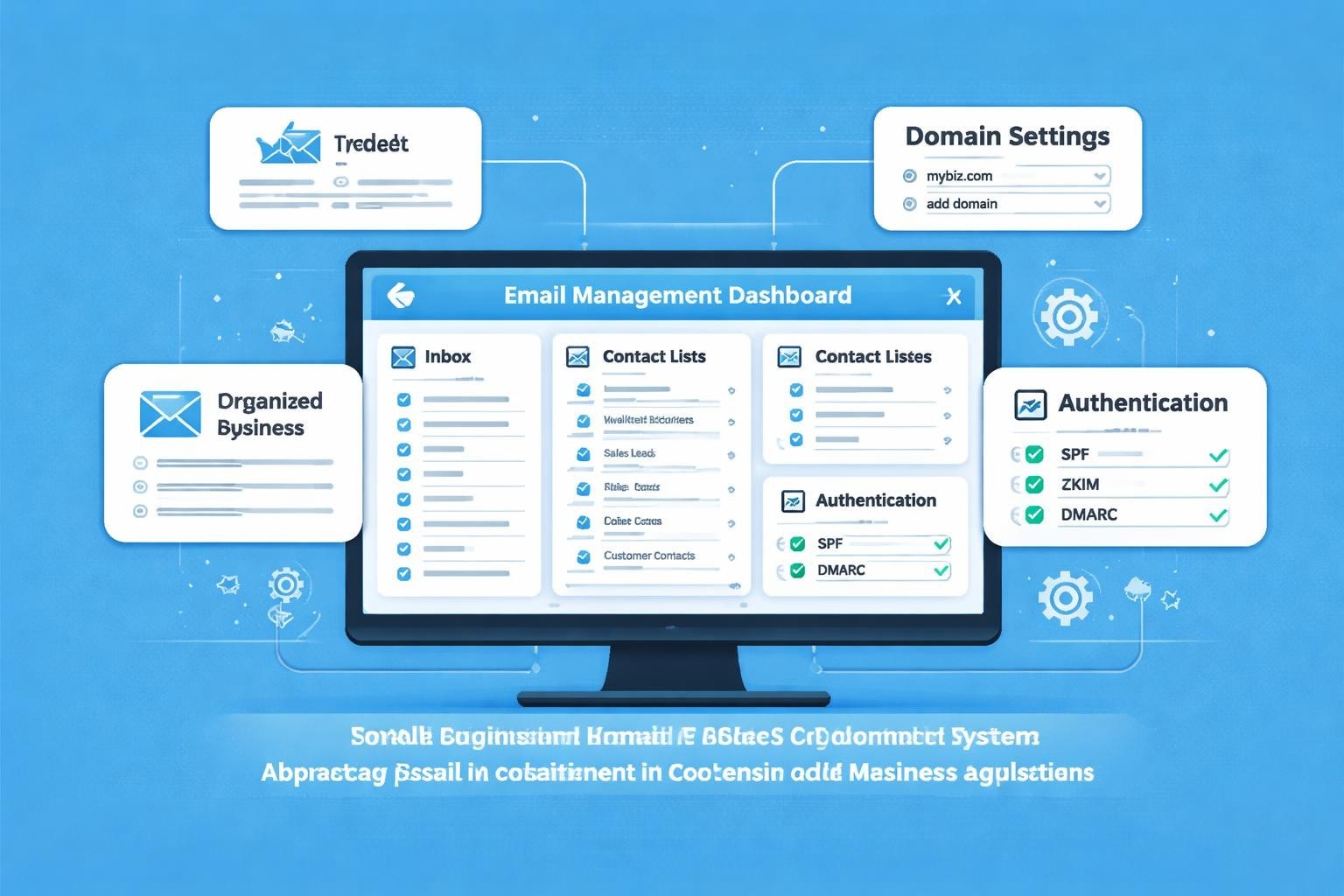
Managing email addresses effectively has become increasingly complex as businesses navigate authentication requirements, deliverability challenges, and growing security threats in 2026. Whether you're struggling with setting up your first professional email address, resolving technical issues, or optimising your entire email infrastructure, understanding where to find reliable help with email address problems is essential for maintaining professional communication and successful marketing campaigns.
Understanding Common Email Address Challenges
Small businesses frequently encounter various obstacles when managing email addresses for their organisations. These challenges range from basic setup questions to sophisticated technical issues that can significantly impact marketing effectiveness.
Setup and Configuration Issues
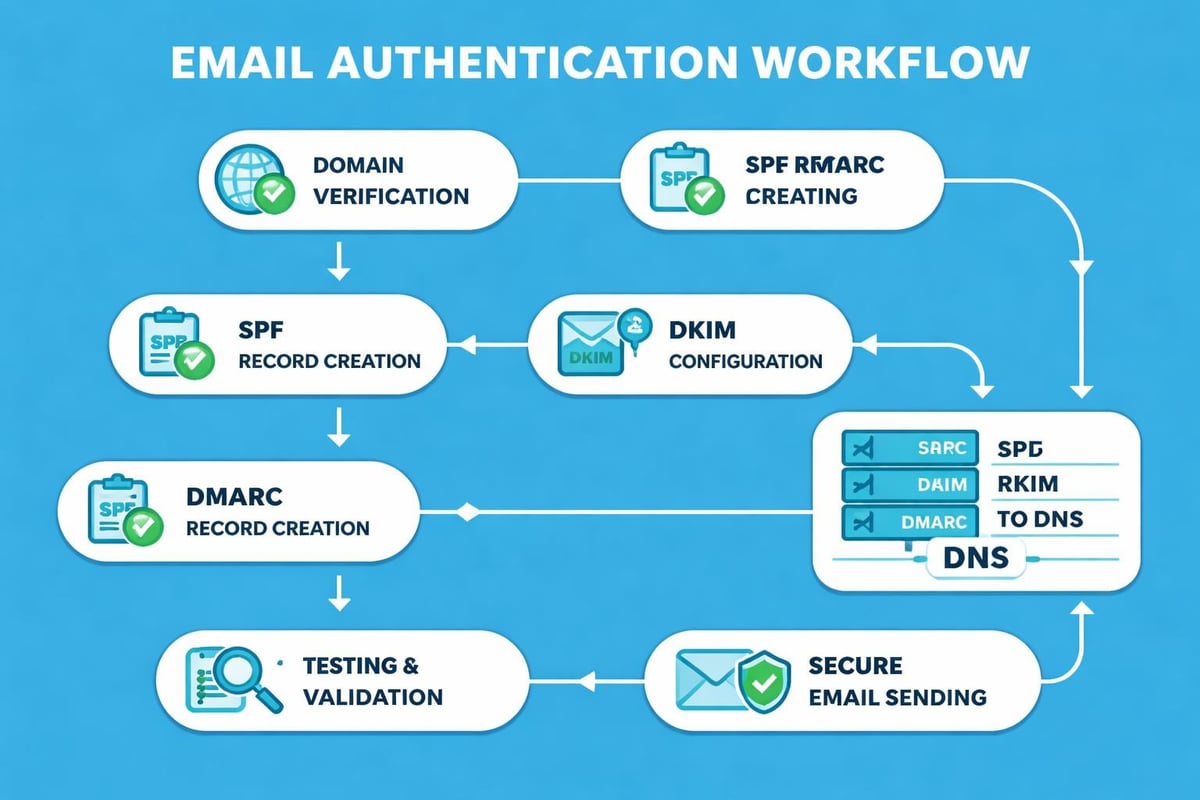
Creating a professional email address involves more than simply choosing a name and domain. Many businesses need help with email address configuration, particularly when establishing authentication protocols like SPF, DKIM, and DMARC. These technical requirements have become essential in 2026 as email providers continue tightening security standards.
Common setup challenges include:
- Domain verification and DNS configuration errors
- Email client compatibility across different devices
- Synchronisation problems between multiple platforms
- Integration with CRM and marketing automation tools
- Mobile device configuration for remote access
When creating a professional email address, businesses must consider both immediate functionality and long-term scalability. The email infrastructure you establish today should accommodate growth whilst maintaining security and deliverability standards.
Deliverability and Reputation Management
One of the most frustrating situations requiring help with email address management is when legitimate messages fail to reach recipients. Deliverability issues can devastate marketing campaigns and damage business relationships.
| Deliverability Factor | Impact Level | Solution Complexity |
|---|---|---|
| Sender reputation | High | Moderate |
| Authentication protocols | High | High |
| Content quality | Medium | Low |
| List hygiene | High | Medium |
| Engagement rates | Medium | Moderate |
Understanding email deliverability best practices requires continuous monitoring and adjustment. Your sender reputation directly influences whether messages land in primary inboxes or get filtered to spam folders.
Technical Support Resources for Email Problems
Finding reliable help with email address technical issues requires knowing where to look and what questions to ask. Different problems demand different expertise levels.
Provider-Specific Support Channels
Your email service provider should be your first port of call for technical assistance. Most platforms offer tiered support systems designed to address varying complexity levels.
Support typically includes documentation libraries, community forums, direct messaging with support teams, and telephone support for urgent issues. When seeking help with email address problems, prepare specific details about the issue, including error messages, screenshots, and steps you've already attempted.
Professional email marketing platforms like Astonish Email provide dedicated support teams familiar with small business challenges. These specialists understand the unique pressures of managing email marketing alongside other business responsibilities.
Industry-Standard Documentation
Comprehensive guides from reputable institutions offer valuable insights into email best practices. Resources like Clemson University's email security guide provide detailed information about protecting email systems from threats whilst maintaining usability.
Carnegie Mellon University offers effective email communication strategies that address audience targeting, sender identification, and content formatting. These academic resources benefit from rigorous review processes and regular updates reflecting current standards.
Email Address Management Best Practices
Proper email address management extends beyond solving immediate problems. Implementing structured approaches prevents many common issues whilst improving overall marketing effectiveness.
Organisational Structure and Naming Conventions
Establishing clear naming conventions for business email accounts creates consistency and professionalism across your organisation. Different email types serve distinct purposes and should be clearly identifiable.
Consider creating separate addresses for:
- Customer service enquiries (support@, help@, service@)
- Sales communications (sales@, enquiries@, info@)
- Department-specific correspondence (marketing@, accounts@, hr@)
- No-reply automated messages (noreply@, notifications@)
- Security and administrative functions (admin@, security@, postmaster@)
This structured approach simplifies troubleshooting because problems can be isolated to specific functions. When you need help with email address issues affecting only certain departments, clear organisation accelerates diagnosis and resolution.
Security Protocols and Compliance
Email security represents one of the most critical areas where businesses seek professional assistance. Understanding secure email practices protects both your organisation and your customers.
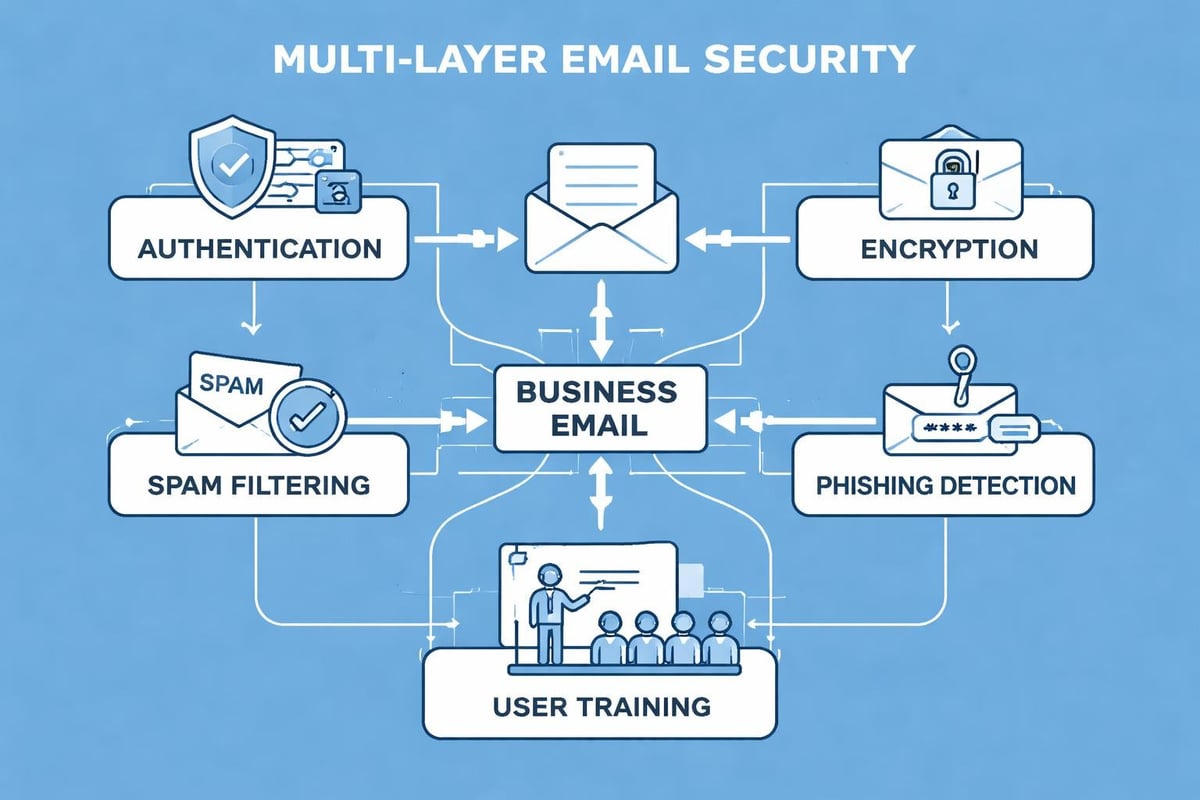
Modern email security requires multi-layered approaches combining technical controls with user education. Two-factor authentication, encryption for sensitive data, regular password updates, and phishing awareness training form the foundation of robust email security.
Optimising Email Marketing Performance
Beyond basic functionality, businesses need help with email address optimisation to maximise marketing return on investment. Performance improvements often require systematic analysis and incremental adjustments.
List Management and Segmentation
Effective list management begins with proper email address collection and verification. Permission-based marketing, where recipients explicitly consent to receive communications, has become both a legal requirement and a performance necessity.
According to email marketing best practices from industry experts, avoiding purchased lists and ensuring proper opt-in processes are fundamental to success. These practices protect sender reputation whilst building engaged audiences more likely to convert.
| Segmentation Strategy | Implementation Difficulty | Expected Performance Lift |
|---|---|---|
| Demographic data | Low | 15-25% |
| Behavioural patterns | Medium | 30-50% |
| Purchase history | Medium | 40-60% |
| Engagement levels | Low | 20-35% |
| Geographic location | Low | 10-20% |
Segmentation transforms generic broadcasts into relevant conversations. When recipients receive content matched to their interests and needs, engagement metrics improve dramatically across open rates, click-through rates, and conversions.
Authentication and Sender Reputation
Technical authentication has evolved from optional enhancement to mandatory requirement. Major email providers now heavily penalise or block messages lacking proper authentication.
Setting up SPF records tells receiving servers which IP addresses can send email from your domain. DKIM adds cryptographic signatures verifying message integrity. DMARC policies instruct receivers how to handle authentication failures. Together, these protocols form the authentication foundation every business needs.
Many small businesses struggle with these technical requirements and actively seek help with email address authentication. Whilst initially complex, proper configuration provides long-term benefits through improved deliverability and brand protection.
Content and Design Considerations
The quality of your email content significantly impacts both deliverability and engagement. Poorly constructed messages trigger spam filters regardless of authentication status.
Professional Content Creation
Following email content best practices ensures your messages appear professional whilst avoiding common pitfalls. Consistency in fonts, judicious use of images, and clear calls-to-action create effective communications.
Content elements requiring attention include:
- Subject line clarity and relevance
- Preview text optimisation
- Mobile-responsive design
- Image-to-text ratios
- Link placement and functionality
- Unsubscribe mechanisms
- Legal compliance statements
When you need help with email address reputation recovery, content quality often provides the solution. Improving message relevance and reducing complaint rates gradually rebuilds sender reputation even after deliverability problems.
Testing and Quality Assurance
Comprehensive testing prevents embarrassing mistakes and identifies technical problems before they reach customers. Testing should encompass rendering across different email clients, link functionality, personalisation accuracy, and spam score assessment.
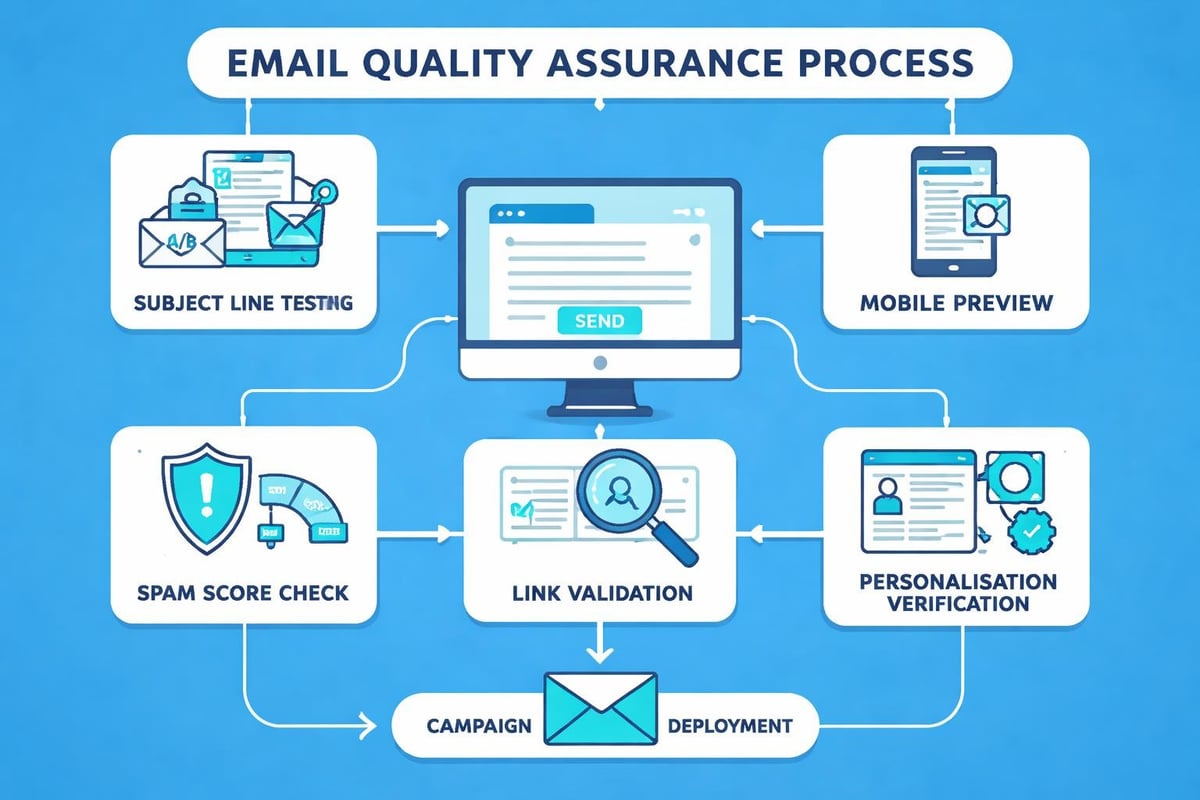
Many businesses discover they need help with email address technical testing because they lack the tools or expertise to properly evaluate campaigns before sending. Professional platforms provide built-in testing features that simulate various recipient environments and identify potential issues.
Troubleshooting Common Problems
When email problems arise, systematic troubleshooting accelerates resolution. Understanding common issues and their solutions reduces downtime and frustration.
Bounce Management
Email bounces occur when messages cannot be delivered to recipient addresses. Hard bounces indicate permanent delivery failures from invalid addresses, whilst soft bounces reflect temporary issues like full mailboxes or server problems.
Effective bounce management requires automated list cleaning to remove hard bounces immediately and track soft bounces for patterns. Maintaining low bounce rates protects sender reputation and improves overall deliverability metrics.
Spam Complaints and Filtering
Spam complaints represent serious threats to email marketing success. Even low complaint rates can trigger deliverability problems as providers interpret complaints as quality signals.
Reducing complaints requires ensuring proper email etiquette and respecting recipient preferences. Clear unsubscribe options, accurate sender information, and relevant content all contribute to lower complaint rates.
When seeking help with email address spam filtering problems, consider both technical factors (authentication, IP reputation) and content factors (subject lines, message quality, targeting relevance). Solutions often require adjustments across multiple areas rather than single fixes.
Platform Selection and Migration
Choosing the right email platform significantly impacts the support and resources available when problems arise. Different platforms offer varying levels of assistance, automation, and sophistication.
Evaluating Platform Capabilities
Small businesses need platforms balancing powerful features with ease of use. Overcomplicated systems require extensive training and frequent support, whilst oversimplified platforms may lack necessary functionality.
Essential platform features include:
- Intuitive campaign creation interfaces
- Robust automation capabilities
- Comprehensive analytics and reporting
- Responsive customer support
- Flexible pricing aligned with business growth
- Integration with existing business tools
- Compliance management assistance
Understanding professional email requirements helps businesses select platforms matching their specific needs rather than purchasing unnecessary features or accepting limiting constraints.
Migration Planning and Execution
Migrating between email platforms represents a significant undertaking requiring careful planning. Data preservation, subscriber continuity, and performance maintenance all demand attention during transitions.
Successful migrations involve exporting existing data, cleaning and validating lists, configuring new platform settings, recreating templates and automation, and conducting thorough testing before going live. Many businesses seek professional help with email address migration to ensure smooth transitions without data loss or subscriber disruption.
Analytics and Performance Monitoring
Understanding email performance requires consistent monitoring and analysis. Metrics reveal both successes to amplify and problems requiring attention.
Key Performance Indicators
Different metrics illuminate different aspects of email marketing effectiveness. Comprehensive analysis examines multiple indicators rather than focusing on single measurements.
| Metric | Typical Benchmark | Improvement Priority |
|---|---|---|
| Open rate | 15-25% | High |
| Click-through rate | 2-5% | High |
| Conversion rate | 1-3% | Very High |
| Bounce rate | <2% | Critical |
| Unsubscribe rate | <0.5% | Medium |
| Spam complaint rate | <0.1% | Critical |
Regular monitoring identifies trends requiring intervention. Declining open rates might indicate deliverability problems, poor subject lines, or list fatigue. Rising unsubscribe rates could signal frequency issues, relevance problems, or targeting mistakes.
Continuous Improvement Processes
Email marketing success requires ongoing refinement based on performance data and industry developments. What works today may prove less effective tomorrow as subscriber preferences evolve and competitive pressures increase.
Establishing systematic testing schedules for subject lines, send times, content formats, and segmentation strategies generates insights driving performance improvements. When you need help with email address optimisation, data-driven approaches typically outperform intuition-based decisions.
Understanding branding consistency in email communications ensures your messages reinforce brand identity whilst maintaining professional standards. Consistent presentation builds recognition and trust across all customer touchpoints.
Advanced Email Management Strategies
Beyond basic functionality, sophisticated email management unlocks additional value from marketing efforts. Advanced strategies require deeper technical knowledge and ongoing attention but deliver superior results.
Automation and Workflow Development
Email automation transforms static campaigns into responsive systems that react to subscriber behaviour. Welcome sequences, abandoned cart reminders, re-engagement campaigns, and birthday messages all operate automatically once configured.
Effective automation requires careful planning of triggers, timing, content progression, and exit conditions. Businesses often need help with email address automation setup because the logical complexity exceeds their technical expertise.
Integration and Data Synchronisation
Modern email marketing rarely operates in isolation. Integration with customer relationship management systems, e-commerce platforms, analytics tools, and social media creates unified marketing ecosystems where data flows seamlessly between systems.
These integrations enable sophisticated personalisation, behavioural targeting, and attribution analysis impossible with standalone systems. However, configuration complexity often necessitates professional assistance to ensure accurate data synchronisation and proper functionality.
Managing email addresses effectively requires balancing technical knowledge, strategic planning, and ongoing optimisation across multiple dimensions. From basic setup through advanced automation, businesses need reliable resources and support systems to navigate email marketing's evolving complexity. Astonish Email provides small businesses with comprehensive email marketing solutions designed specifically for their unique challenges, combining powerful features with accessible support and guidance that helps you succeed without requiring extensive technical expertise.