Emails to Companies: The Essential Guide for 2026
January 3, 2026
In 2026, professional communication continues to evolve, yet emails to companies remain an essential part of business life. While instant messaging, chatbots, and collaboration tools are on the rise, email stands strong for formal and impactful exchanges.
New technologies, changes in etiquette, and higher expectations are shaping how we write and respond. Mastering emails to companies is now crucial for advancing your career, building strong business relationships, and achieving measurable results.
This article offers a clear, up-to-date guide on writing effective emails to companies in 2026. You will find practical advice on trends, preparing your message, crafting impactful content, optimising deliverability, and handling replies for long-term success.
The Evolution of Business Emails to Companies in 2026
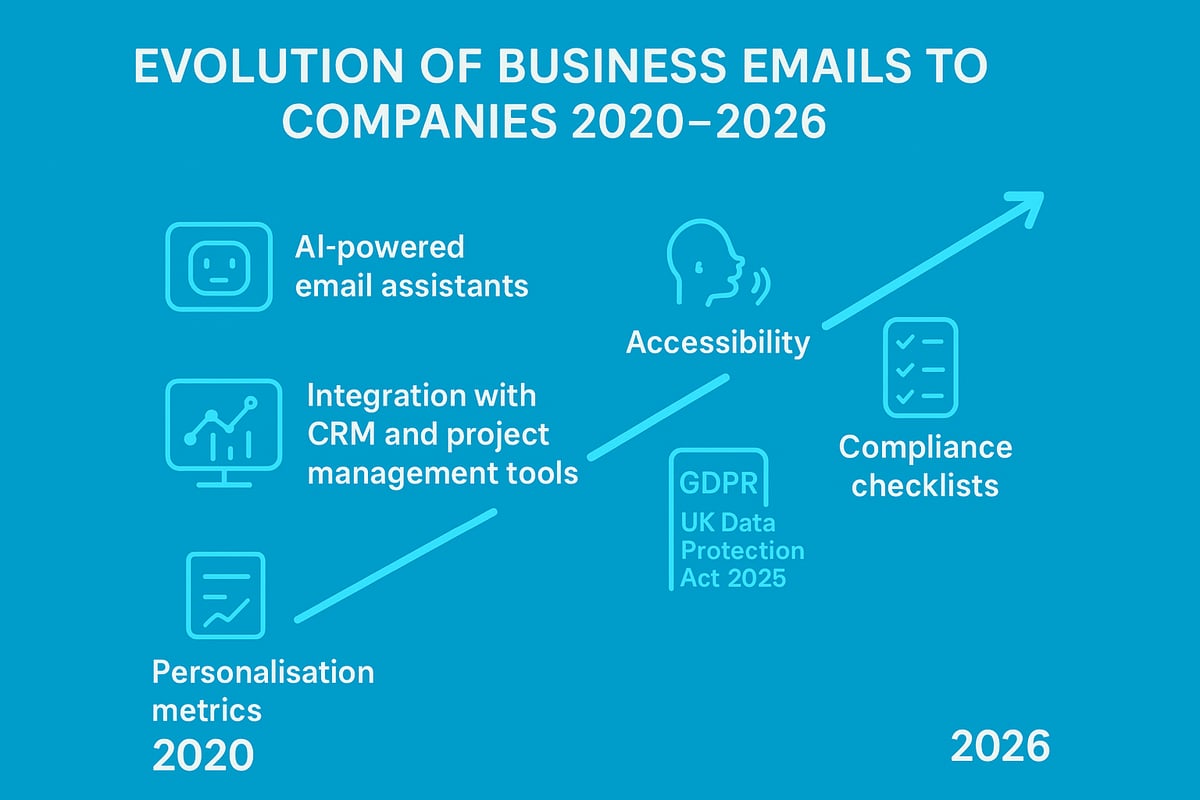
Business communication is transforming rapidly as we head into 2026. The way professionals approach emails to companies reflects not just technological advances but also heightened expectations for efficiency, privacy, and inclusivity. Understanding these shifts is crucial for anyone aiming to communicate with confidence and impact in today's competitive environment.
Changing Communication Preferences
In 2026, digital communication has firmly overtaken traditional channels like phone and face-to-face meetings. According to recent email usage statistics 2025, 72% of professionals now prefer email for formal business contact.
The adoption of AI-powered email assistants and smart inbox features is reshaping how emails to companies are managed. Asynchronous messaging is more common, meaning recipients expect prompt yet flexible responses. This shift has made email the backbone of professional outreach, with clear standards for responsiveness and clarity.
New Email Etiquette and Compliance Standards
Regulatory changes are redefining the etiquette around emails to companies. With the enforcement of GDPR, ePrivacy, and the UK Data Protection Act 2025, there is a stronger emphasis on transparency and consent.
Companies now require explicit opt-in for certain types of correspondence, ensuring that outreach is respectful and compliant. Professionalism is no longer just about tone, but also about safeguarding data and demonstrating ethical communication practices.
Integration with Business Tools and Platforms
Modern emails to companies are rarely standalone. Seamless integration with CRM systems, project management software, and team collaboration platforms is the new norm.
Email tracking and analytics tools help organisations refine their communication strategies. By monitoring open rates and engagement, companies can adapt their approach and ensure interactions are both effective and measurable.
| Then (2020) | Now (2026) |
|---|---|
| Standalone email | Integrated with business tools |
| Manual follow-ups | Automated tracking & reminders |
| Limited analytics | Detailed engagement insights |
Accessibility and Inclusivity Developments
Inclusivity is now a critical aspect of emails to companies. Businesses are prioritising accessible content, such as ensuring compatibility with screen readers and using plain language.
There is also a conscious effort to address diverse audiences. This includes selecting inclusive language and offering alternative formats, so communication is clear and respectful for everyone involved.
The Role of Personalisation and Automation
Personalisation has become central to successful emails to companies. Data shows that tailored subject lines increase open rates by 26%. However, the challenge is to balance automation with genuine human connection.
AI-driven tools can generate content and handle repetitive queries, but recipients still value authentic engagement. The most effective strategies combine personal touches with scalable automation to build lasting professional relationships.
Preparing to Write: Research, Objectives, and Audience Analysis
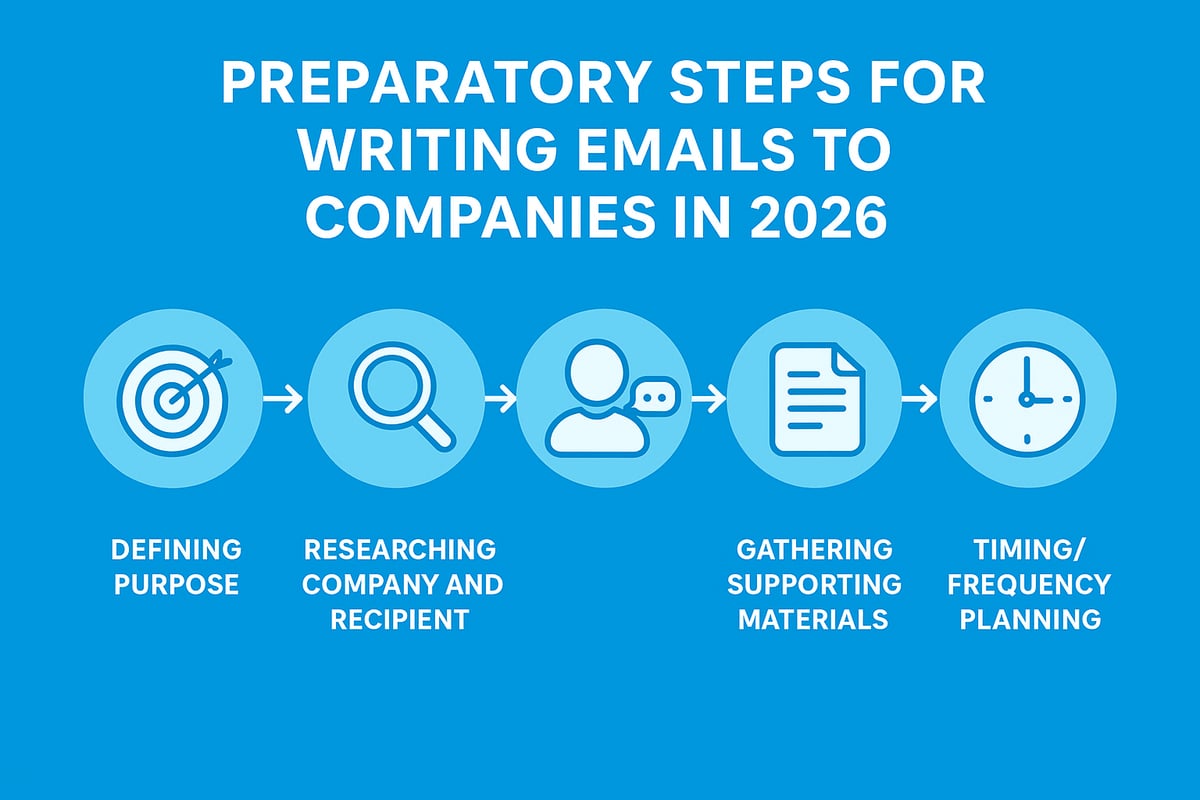
Careful preparation is the foundation of successful emails to companies. Before you start typing, a methodical approach ensures your message is targeted, relevant, and professional. In 2026, expectations are higher than ever, making thorough research and planning vital for standing out.
Defining Your Purpose and Desired Outcome
Begin by pinpointing the exact reason for your communication. Are you enquiring about a service, submitting a proposal, or lodging a complaint? Defining your objectives for emails to companies sets a clear direction and helps you measure success.
Write out your desired outcome in one sentence before composing the message. This approach keeps your writing focused and ensures every element supports your goal. For example, if your aim is to schedule a meeting, state that directly to avoid ambiguity.
Researching the Company and Recipient
Thorough research is key to crafting effective emails to companies. Start by reviewing the company’s website, recent press releases, and social media activity. This provides insight into their current priorities and preferred communication style.
Identify the right contact using LinkedIn or the organisation’s directory. If you have not yet set up a professional email account, follow guidance on creating a business email to establish credibility from your very first message.
Understanding Audience Expectations in 2026
In 2026, recipients of emails to companies expect concise, actionable content. They value respect for their time and clarity in both tone and structure.
Consider the recipient’s role and industry when formulating your message. Executives may prefer brief overviews, while technical contacts might require more detail. Align your tone and level of formality with company culture for the best response.
Collecting Supporting Information and Documentation
Gather all relevant materials before drafting your emails to companies. This includes documents, links, references, or data that support your message. Being prepared allows you to answer follow-up questions quickly and demonstrates professionalism.
Checklist for supporting materials:
- Attachments (CVs, proposals, reports)
- Hyperlinks to relevant online resources
- Accurate references or data points
Ensuring accuracy in these details builds trust with recipients.
Timing and Frequency Considerations
When sending emails to companies, timing can significantly impact your response rate. Research shows that Tuesday and Wednesday mornings remain optimal for business communication.
Avoid sending multiple follow-ups in quick succession. Give recipients adequate time to respond, and respect their workload. Setting reminders for yourself helps strike the right balance between persistence and patience.
Step-by-Step Guide: Crafting Effective Emails to Companies
Mastering the art of crafting effective emails to companies is a vital skill in 2026. With evolving expectations, new technologies, and an emphasis on professionalism, each element of your email must be carefully considered. This step-by-step guide breaks down the essential stages to help you write with clarity and confidence.
Step 1: Structuring Your Email for Maximum Impact
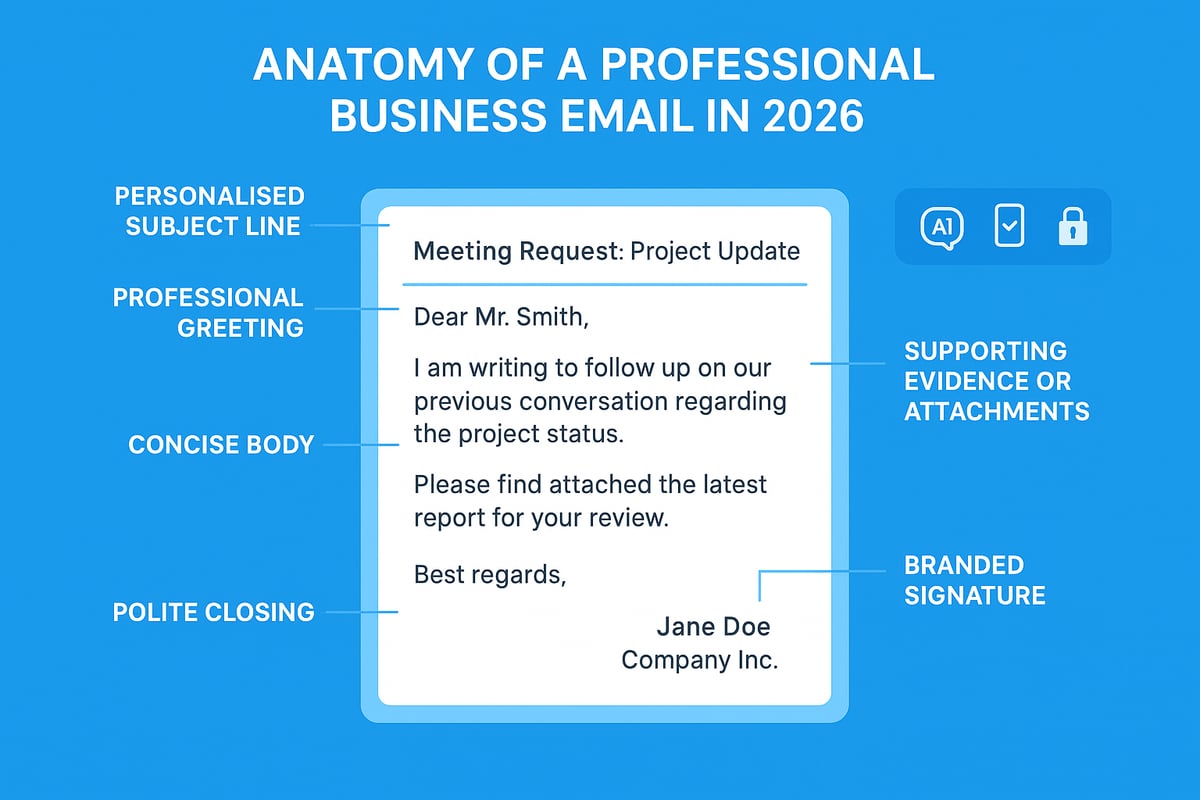
The foundation of effective emails to companies lies in a clear, logical structure. Start with a descriptive subject line, followed by a respectful greeting. Keep the body concise, focusing on your key message or request.
A typical structure looks like this:
| Section | Purpose |
|---|---|
| Subject Line | Grabs attention, sets expectations |
| Greeting | Establishes professionalism |
| Body | Shares context, details, and requests |
| Closing | Summarises, clarifies next steps |
| Signature | Provides contact details, builds credibility |
Aim for 50 to 125 words in your main message. This length has been shown to achieve the highest response rates. Always include a professional signature that reflects your company or personal brand.
Step 2: Writing Compelling Subject Lines
A well-crafted subject line is crucial for emails to companies, as it determines whether your message will be opened. Personalise the subject where possible, referencing the recipient’s name, project, or company.
Avoid vague or generic phrases. Instead, be specific and action-oriented. For example, "Partnership Proposal: Q2 Sustainability Initiative" is more effective than "Business Opportunity".
Steer clear of spam triggers like "Free", "Urgent", or excessive punctuation. To learn more about optimising this element, refer to Structuring effective subject lines for practical tips.
Step 3: Opening with Professional Greetings
First impressions count, especially in emails to companies. Begin with an appropriate greeting, using the recipient’s preferred title and name. For formal contexts, "Dear Ms Smith" or "Dear Dr Patel" is suitable, while "Hello John" may work for established contacts.
Consider the company culture and recipient’s role when choosing between formal and informal greetings. A respectful opening sets a positive tone and demonstrates your attention to detail.
Step 4: Communicating Your Message Clearly and Concisely
Clarity is essential when writing emails to companies. Use short sentences, active voice, and bullet points for easy reading. State your main point or request early in the message, then provide relevant context.
For example:
- Clearly outline your objective
- Provide supporting facts or background
- Specify any deadlines or actions required
Avoid jargon unless you are certain the recipient understands it. Make your message actionable and easy to respond to.
Step 5: Adding Supporting Evidence and Attachments
Strengthen your emails to companies by including relevant evidence or documentation. Reference data, reports, or links to support your message. If you attach files, use clear and descriptive names, such as "2026_Market_Report.pdf".
Always mention attachments in the body of your email, so recipients know to look for them. Ensure all supporting materials are accurate and directly related to your purpose.
Step 6: Closing with Politeness and Clear Next Steps
A courteous closing is vital in emails to companies. Summarise any requested actions or next steps, and thank the recipient for their attention. Use professional sign-offs like "Kind regards" or "Sincerely".
Include a complete signature with your name, job title, and contact information. This not only builds trust but also makes it easy for the recipient to respond or follow up.
Step 7: Proofreading and Polishing Before Sending
Before sending emails to companies, take time to review your message. Check for spelling and grammar errors, ensure the tone is appropriate, and verify that all attachments and links work.
Use built-in spell checkers or tools like Grammarly for a final review. Reading your email aloud can help catch awkward phrasing. A polished, error-free email reflects your professionalism and increases the likelihood of a positive response.
Optimising Email Deliverability and Professionalism
Mastering deliverability and professionalism is crucial for emails to companies in 2026. Even the best-crafted message falls flat if it never reaches the intended inbox or fails to reflect your professional standards. Let us break down the latest strategies for ensuring your messages land, impress, and drive action.
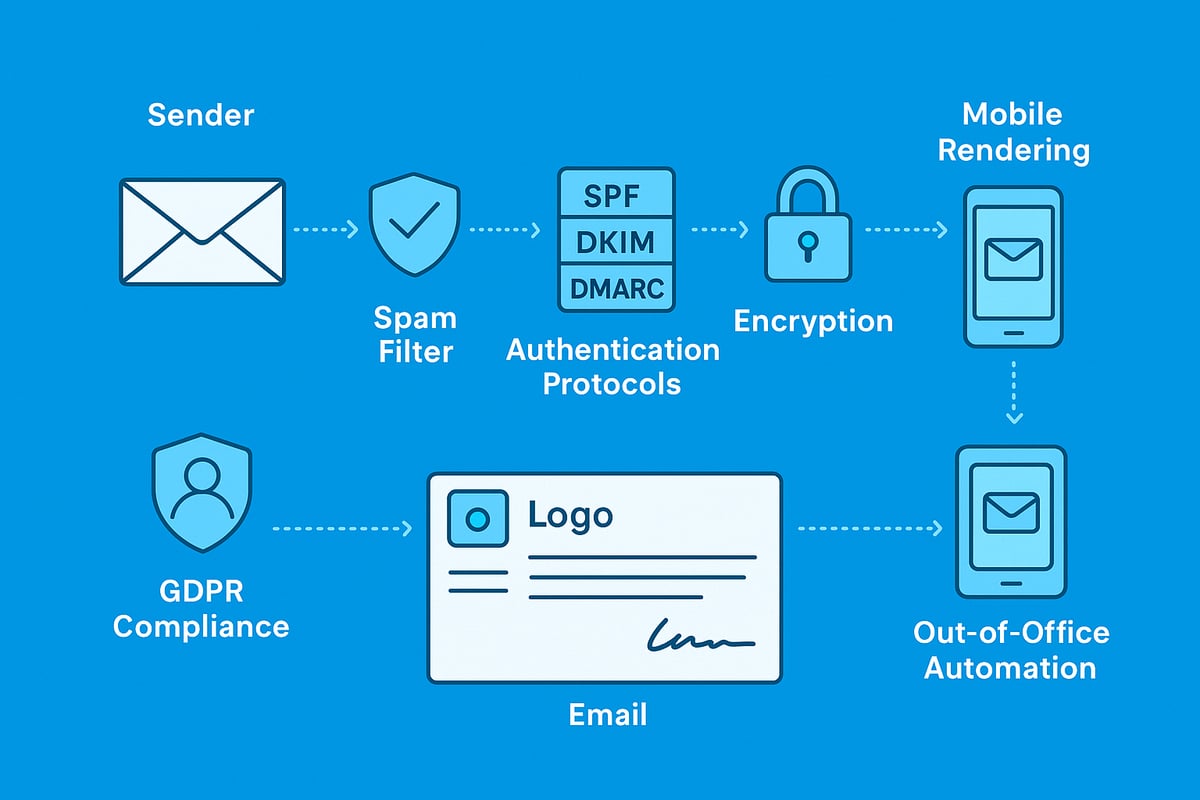
Ensuring Your Email Reaches the Right Inbox
Deliverability is the first hurdle for emails to companies. To avoid spam filters, use a reputable business email address and keep formatting clean and simple. Always authenticate your messages with SPF, DKIM, and DMARC records. These protocols verify your identity and are now required by most major providers.
Regularly clean your contact lists to remove inactive addresses. Avoid excessive links, large attachments, and spammy words in your subject lines. For a deeper dive into overcoming deliverability challenges, see this guide on improving email deliverability.
By implementing these practices, you increase the chances your emails to companies will be seen and acted upon.
Maintaining Data Privacy and Security
Data privacy is non-negotiable in business communications. When sending emails to companies, ensure all sensitive information is encrypted, both in transit and at rest. Use secure file transfer options for confidential documents.
Comply with GDPR, the UK Data Protection Act 2025, and any company-specific policies. Always obtain consent before sharing personal data. Add a brief privacy disclaimer in your signature if appropriate.
Taking these steps not only protects your organisation but also builds trust with recipients. In 2026, emails to companies must demonstrate a commitment to security at every stage.
Enhancing Professional Image with Design and Branding
A polished, consistent image sets your emails to companies apart. Use branded signatures, company logos, and professional templates. Keep your formatting clean and easy to read.
With over 60 percent of emails now opened on mobile devices, always test your emails for mobile compatibility. Use responsive templates and avoid large images that may not render well.
A strong visual identity conveys credibility and attention to detail. Every email to companies should reinforce your brand and leave a positive impression.
Managing Replies and Out-of-Office Responses
Effective follow-up is vital for emails to companies. Set up clear, concise auto-responses for out-of-office situations, ensuring recipients know when to expect a reply. Use email tracking tools to monitor opens and engagement, so you can follow up at the right time.
Schedule reminders for important conversations to avoid missed opportunities. Maintain a polite, professional tone in all automated messages.
By managing replies efficiently, you keep conversations moving and show respect for the recipient’s time. This approach strengthens long-term relationships through timely, professional communication in all emails to companies.
Handling Replies, Follow-Ups, and Building Long-Term Relationships
Effective management of replies and follow-ups is crucial to building lasting connections through emails to companies. This process fosters trust, demonstrates professionalism, and lays the foundation for fruitful business relationships. By handling each stage with care, you ensure your communications remain valued and impactful.
Responding Promptly and Appropriately
Timely and thoughtful replies are essential when managing emails to companies. Industry benchmarks suggest responding within 24 to 48 hours for most business correspondence. Acknowledge receipt if a full answer will take longer, setting clear expectations.
When faced with challenging or negative responses, remain professional and courteous. Address concerns directly, offer solutions where possible, and avoid emotional language. Use concise paragraphs to improve readability and show respect for the recipient’s time.
Following Up Without Being Pushy
Following up is a delicate balance in emails to companies. Wait at least 2 to 3 business days before sending a polite reminder if you have not received a reply. Keep your tone friendly and solution-oriented, referencing your previous message for context.
Structure your follow-up with a brief summary, a clear call to action, and an easy way for the recipient to respond. For practical tips on the follow-up process, see this sending business emails step-by-step guide, which outlines effective strategies for maintaining engagement.
Managing Ongoing Conversations
Long-term communication with companies often involves multiple email threads. Organise your inbox and use clear subject lines to keep track of ongoing discussions. When replying, reference previous emails to provide context and continuity.
Always review prior conversations before crafting your response. This shows attention to detail and helps personalise your emails to companies, strengthening the relationship over time. Use conversation histories to avoid repeating information or missing key points.
Building Trust and Professional Rapport
Consistency is key when nurturing trust through emails to companies. Maintain a professional tone, reliable response times, and clear communication style throughout all interactions. Share updates, relevant resources, or industry news to add value.
Consider small gestures, like congratulating a recipient on a recent achievement or thanking them for their partnership. Over time, these efforts foster rapport and make your emails to companies stand out in busy inboxes.
Leveraging Feedback and Improving Future Emails
Gathering feedback is a powerful way to enhance your approach to emails to companies. Encourage recipients to share their thoughts on your communication style or the clarity of your message. Use surveys, direct questions, or informal check-ins.
Analyse response rates and adjust strategies as needed. Stay informed about email marketing trends 2026 to ensure your methods remain current and effective. Continuous improvement helps build stronger, more productive relationships.
Future Trends: The Next Generation of Emails to Companies
The future of emails to companies is being shaped by rapid technological change, tighter regulations, and evolving business needs. As we look ahead to 2026, professionals must adapt their communication strategies to remain effective and relevant.
AI and Automation in Business Email Communication
Artificial intelligence is revolutionising emails to companies. AI-powered tools now offer predictive text, smart scheduling, and automated replies, streamlining daily workflows. Generative AI can craft content suggestions, making it easier to personalise messages at scale. According to AI in email marketing 2025, the integration of AI enables businesses to analyse recipient behaviour and optimise communication.
Automation also assists with follow-ups and segmentation, ensuring the right message reaches the right audience. However, professionals must balance automation with genuine human connection to maintain trust in emails to companies.
Enhanced Security and Authentication Measures
Security remains a top priority for emails to companies as cyber threats evolve. In 2026, advanced authentication protocols like SPF, DKIM, and DMARC are industry standard, helping to prevent fraud and protect sensitive data. Biometric logins and blockchain-based verification are emerging, offering new layers of security.
Major providers, such as Gmail and Outlook, are enforcing stricter deliverability requirements. Organisations must comply with these email deliverability enforcement 2026 standards to ensure their emails reach intended recipients. Encrypting content and safeguarding user privacy are now essential steps for every business communicator.
Integration with Emerging Communication Channels
The role of emails to companies is expanding alongside chat, video, and collaborative platforms. In 2026, seamless integration between email and tools like project management software or instant messaging apps is expected. This cross-channel approach allows professionals to maintain consistent conversations, reference past interactions, and switch between formats as needed.
A table summarising key integrations:
| Channel | Benefit |
|---|---|
| Email & CRM | Centralised communication |
| Email & Chat | Faster, informal updates |
| Email & Video | Enhanced collaboration |
This unified ecosystem ensures that emails to companies remain a core part of business communication.
Sustainability and Green Email Practices
Sustainability is now a significant factor in digital communication. Organisations are implementing green policies for emails to companies, focusing on reducing unnecessary messages and optimising storage. Efficient practices, such as concise writing and limiting attachments, help lower the digital carbon footprint.
Companies also encourage using energy-efficient servers and promoting awareness about sustainable email habits. As environmental concerns grow, these practices demonstrate corporate responsibility and future readiness.
Preparing for the Unforeseen: Adapting Email Strategies for the Future
Adaptability is vital for professionals managing emails to companies. New laws, technologies, and cultural expectations can emerge rapidly, requiring continuous learning and flexibility. Regular training on digital communication trends and compliance is key to staying ahead.
By monitoring industry developments and gathering feedback, businesses can refine their approach. Ultimately, those who proactively evolve their emails to companies will maintain strong relationships and achieve lasting success.