Add to Email: Master List Building for Small Businesses
February 19, 2026
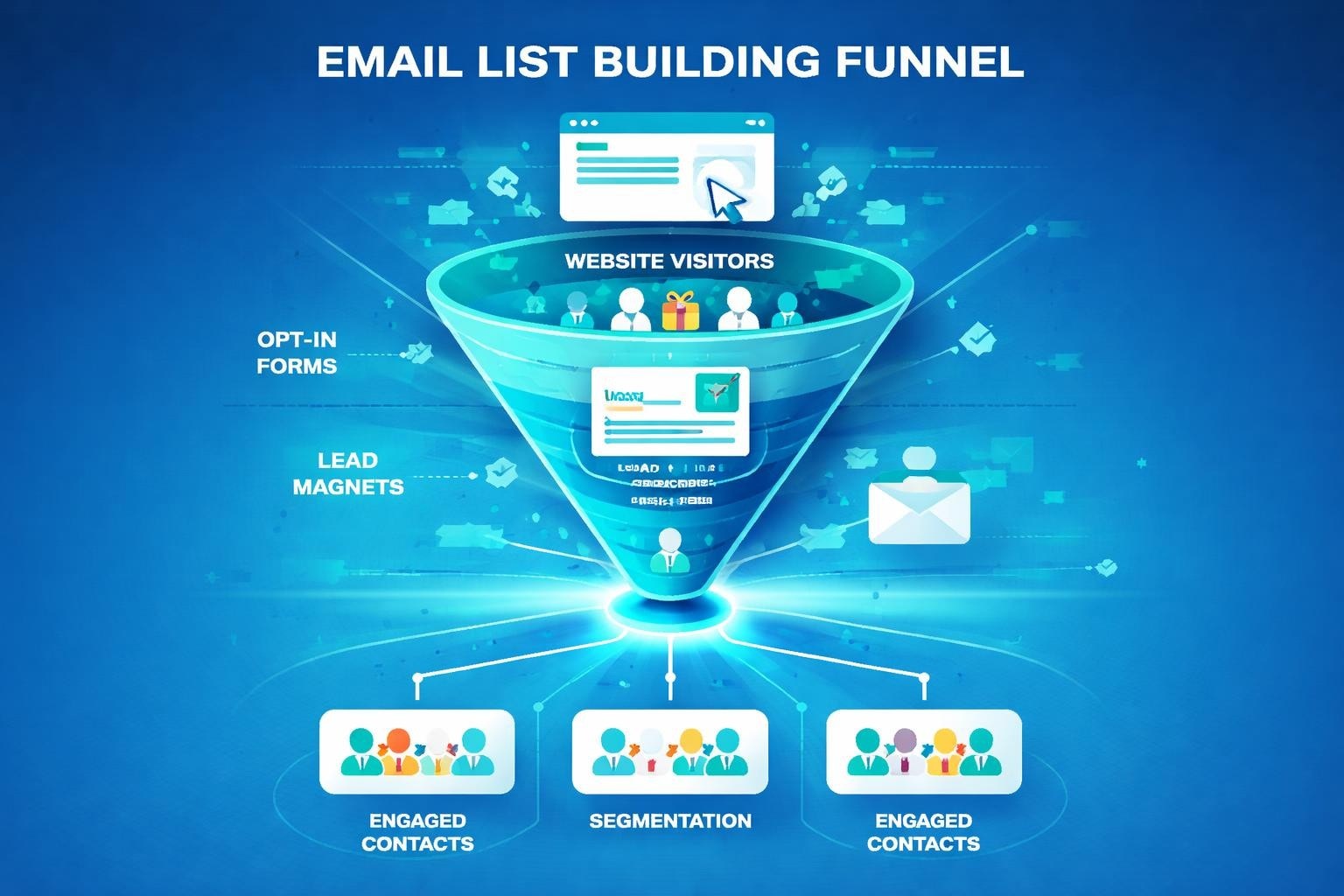
Building a robust email list remains the cornerstone of successful digital marketing for small businesses in 2026. The ability to add to email lists strategically determines whether your campaigns reach a handful of disinterested recipients or thousands of engaged prospects. For small business owners navigating the competitive landscape, understanding how to systematically grow your subscriber base whilst maintaining quality and compliance creates the foundation for sustainable revenue growth. This comprehensive guide explores the methodologies, tools, and strategic approaches that transform casual website visitors into loyal email subscribers.
The Strategic Importance of Email List Growth
Every business faces a fundamental challenge: how to add to email databases without compromising quality or violating trust. The value of an email subscriber far exceeds social media followers, with studies consistently showing email marketing delivers the highest return on investment amongst digital channels.
Small businesses particularly benefit from owned audiences. Unlike social platforms where algorithms control reach, your email list represents a direct communication channel you control entirely. When you successfully add to email lists, you're building an asset that appreciates over time.
Calculating Subscriber Value
Understanding the monetary value of each addition helps prioritise list-building efforts:
| Metric | Calculation Method | Example Value |
|---|---|---|
| Average order value | Total revenue ÷ orders | £85 |
| Conversion rate | Purchases ÷ subscribers | 3.2% |
| Purchase frequency | Annual purchases ÷ customers | 2.4 times |
| Subscriber lifetime value | AOV × conversion × frequency | £6.53 |
This framework reveals that every strategic addition potentially generates substantial long-term revenue. Small improvements in how you add to email lists compound significantly over months and years.
Permission-Based List Building Fundamentals
The foundation of ethical email marketing rests on explicit consent. When you add to email lists, subscribers must actively opt in, understanding precisely what communications they'll receive. Email marketing best practices consistently emphasise permission as non-negotiable.
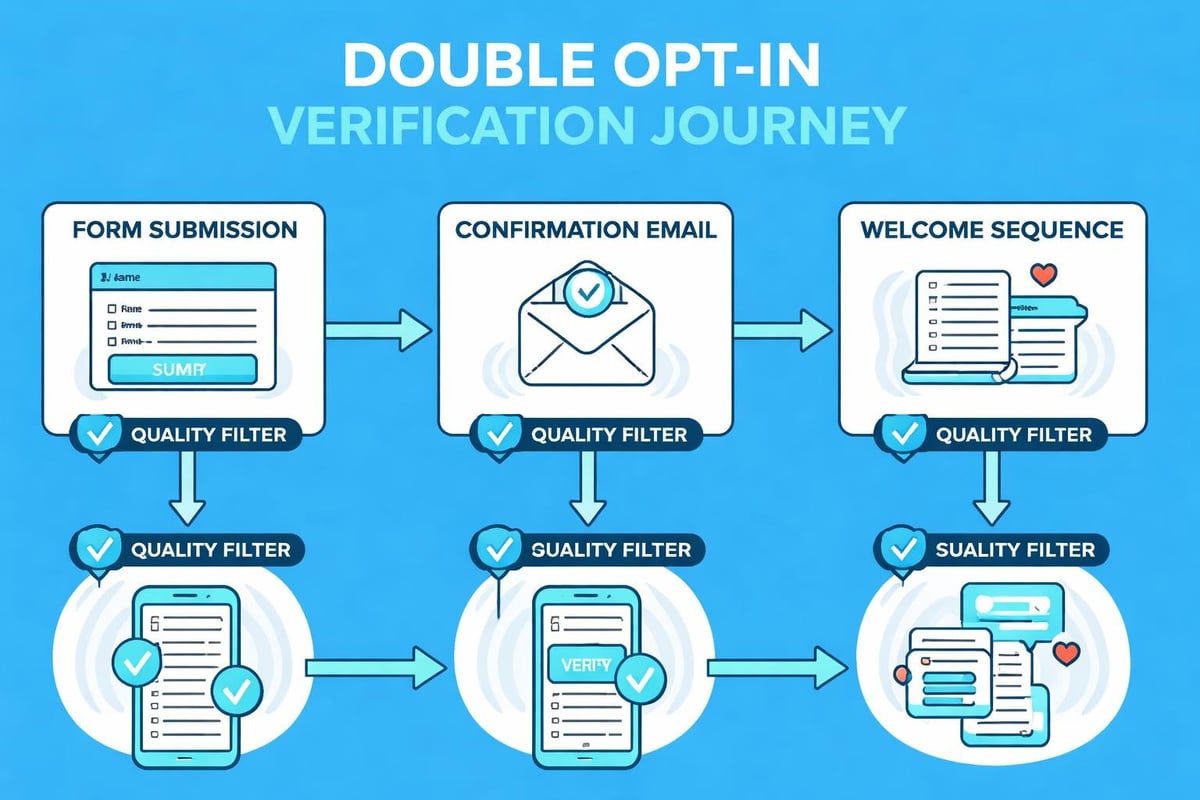
Double opt-in processes provide superior list quality:
- Visitor submits email address through form
- System sends confirmation email immediately
- Subscriber clicks verification link
- Welcome email triggers upon confirmation
- Contact enters appropriate segment
This additional step filters casual interest from genuine engagement. Whilst double opt-in may reduce total numbers, the subscribers you add to email databases through this method demonstrate higher engagement rates and lower complaint frequencies.
Compliance Considerations
Regulatory frameworks govern how businesses add to email lists across jurisdictions. GDPR in the United Kingdom and European Union mandates clear consent mechanisms, transparent data usage policies, and straightforward unsubscribe options.
Your opt-in forms must clearly state:
- What content subscribers will receive
- How frequently emails arrive
- Data storage and usage policies
- Simple withdrawal mechanisms
The European Accessibility Act further requires accessible form designs, ensuring subscribers with disabilities can easily join your list. This inclusive approach when you add to email databases expands your potential audience whilst demonstrating corporate responsibility.
High-Converting Opt-In Strategies
Strategic placement and compelling offers dramatically influence how effectively you add to email lists. Generic "Subscribe to our newsletter" forms convert poorly compared to targeted, value-driven approaches.
Lead Magnet Development
Lead magnets incentivise subscriptions by offering immediate value. Effective formats include:
- Industry reports: Original research addressing subscriber pain points
- Template libraries: Ready-to-use resources saving time
- Exclusive discounts: Time-limited offers for new subscribers
- Educational courses: Multi-part email series teaching valuable skills
- Toolkits and checklists: Practical resources solving specific problems
When developing lead magnets, align offerings with your product or service. A professional services firm might offer industry benchmarking reports, whilst an e-commerce business could provide style guides or buying checklists.
Optimising Form Placement and Design
Where and how you present opt-in opportunities significantly impacts how many visitors you successfully add to email lists. Testing reveals certain placements consistently outperform others.
High-Performance Form Locations
| Placement Type | Conversion Rate Range | Best Use Case |
|---|---|---|
| Exit-intent popup | 2.5% - 4.8% | Capturing abandoning visitors |
| Inline content forms | 1.8% - 3.2% | Blog readers mid-engagement |
| Footer signup | 0.5% - 1.2% | Passive collection site-wide |
| Homepage hero section | 3.2% - 5.5% | High-intent visitors |
| Sidebar forms | 1.0% - 2.1% | Consistent visibility |
Exit-intent technology detects when visitors prepare to leave, triggering targeted popups. This non-intrusive timing catches people at decision moments, making it easier to add to email databases without disrupting the browsing experience.
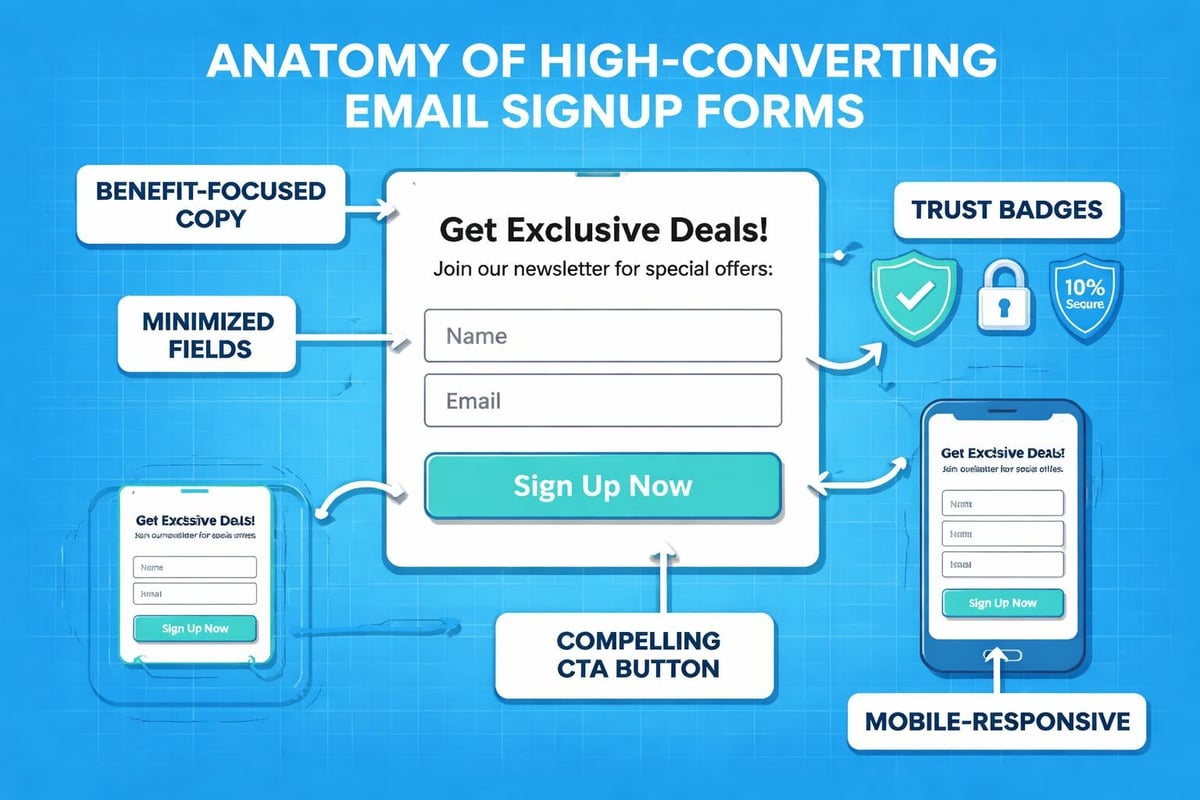
Form design principles that increase subscriptions:
- Minimal fields: Request only essential information initially
- Clear value proposition: Explicitly state subscriber benefits
- Strong visual hierarchy: Guide eyes naturally to submission button
- Mobile optimisation: Ensure seamless smartphone experiences
- Trust indicators: Display privacy commitments and subscriber counts
The business email sign-up process should feel effortless, removing friction whilst building confidence.
Content Marketing Integration
Quality content naturally attracts subscribers who want ongoing value. Every blog post, guide, or resource represents an opportunity to add to email lists through contextual, relevant calls-to-action.
Content Upgrades
Content upgrades offer bonus materials directly related to specific articles. Someone reading about social media strategy might receive a platform comparison spreadsheet, whilst a budgeting article could offer expense tracking templates.
This targeted approach converts significantly higher than generic newsletter signups because the offer directly extends content the reader already finds valuable. Effective list-building strategies emphasise relevance as the critical conversion factor.
Implementation steps:
- Identify your highest-traffic content pieces
- Create complementary downloadable resources
- Insert contextual opt-in forms within articles
- Deliver upgrades through automated sequences
- Track conversion rates and optimise underperformers
When you strategically add to email lists through content upgrades, subscribers arrive pre-qualified and engaged with your expertise.
Social Media and Multi-Channel Approaches
Email list building shouldn't exist in isolation. Cross-channel promotion expands reach whilst reinforcing brand presence across touchpoints.
Social platforms serve as discovery channels that funnel interested parties toward email subscriptions. Share valuable content snippets on LinkedIn, Instagram, or Twitter, then direct engaged followers to exclusive email-only content.
Platform-Specific Tactics
- LinkedIn: Share industry insights linking to gated reports requiring email submission
- Instagram: Use link-in-bio tools directing followers to signup landing pages
- Facebook: Create dedicated lead generation ads capturing emails directly
- YouTube: Mention email-exclusive resources in video content
- Twitter: Pin tweets promoting your most compelling lead magnet
The email list building guide from industry experts highlights how integrated campaigns across platforms compound results, making it easier to add to email databases consistently.
Event-Based List Building
Webinars, workshops, and virtual events provide exceptional opportunities to add to email lists whilst delivering immediate value. Registration inherently requires email addresses, creating natural opt-in moments.
Successful event strategies include:
- Pre-event promotion: Build anticipation through countdown campaigns
- Registration landing pages: Clearly communicate event value and outcomes
- Automated reminders: Keep registrants engaged until event day
- Post-event follow-up: Share recordings and additional resources
- Ongoing nurturing: Transition attendees into regular subscribers
Events attract highly qualified prospects. Someone investing time attending your webinar demonstrates genuine interest, making them ideal candidates as you add to email lists for ongoing communication.
Website Optimisation for Subscriber Growth
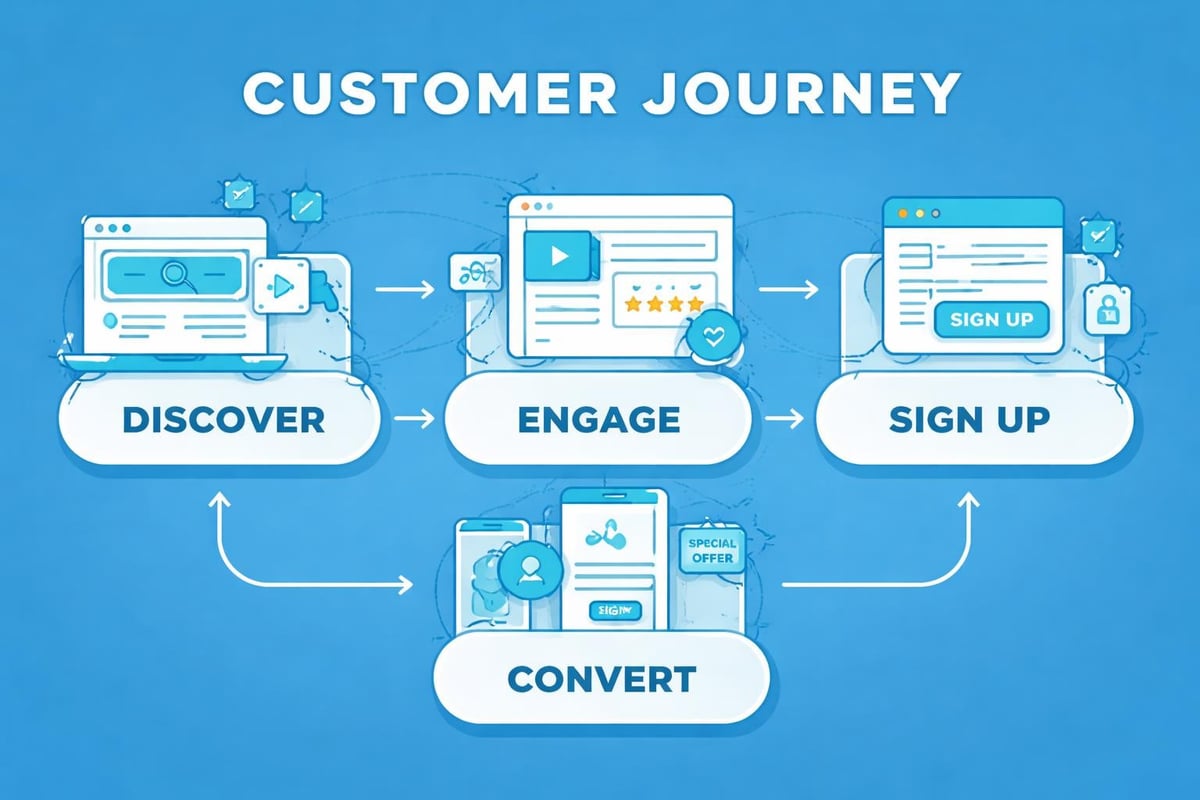
Your website architecture either facilitates or hinders list growth. Strategic design decisions influence how effectively you add to email databases through organic traffic.
Navigation and User Experience
Subscription opportunities should feel natural rather than intrusive. Consider these implementation approaches:
- Welcome mats: Full-screen opt-in forms for first-time visitors
- Slide-ins: Subtle notifications appearing after engagement time thresholds
- Scroll boxes: Forms triggering after specific page depth
- Content lockers: Premium content available post-subscription
- Floating bars: Persistent header or footer signup options
The making a professional email approach extends to how you present subscription opportunities, maintaining brand consistency whilst driving conversions.
Segmentation from Subscription
How you add to email lists determines initial segmentation capabilities. Collecting strategic information during signup enables personalised communication from the first message.
| Segmentation Data | Collection Method | Application |
|---|---|---|
| Industry/sector | Dropdown selection | Industry-specific content |
| Company size | Radio buttons | Scalability-appropriate solutions |
| Primary challenge | Checkbox options | Problem-focused campaigns |
| Role/title | Text field | Seniority-targeted messaging |
| Product interest | Multi-select boxes | Feature-specific sequences |
Balance data collection with form simplicity. Progressive profiling gathers additional information over time rather than overwhelming new subscribers with extensive initial forms.
When you strategically add to email lists with segmentation built in, subsequent campaigns achieve higher relevance and engagement from the outset.
Automation and Technology Integration
Modern email platforms streamline how businesses add to email databases through API integrations, embedded forms, and automated workflows.
Essential automation capabilities include:
- Instant welcome sequences: Deliver lead magnets and introduce your brand immediately
- CRM synchronisation: Ensure sales teams access new lead information instantly
- Tag application: Automatically categorise subscribers based on signup source
- List hygiene: Remove bounces and maintain deliverability automatically
- Engagement scoring: Identify highly active subscribers for special attention
The email marketing best practices framework emphasises automation as essential for scaling list growth whilst maintaining personalisation.
Platforms like Astonish Email provide purpose-built tools for small businesses, simplifying technical complexity whilst delivering enterprise-grade capabilities. Integration with existing tools ensures every touchpoint contributes to how you add to email lists efficiently.
Referral and Word-of-Mouth Strategies
Existing subscribers represent your most credible growth channel. Referral programmes incentivise current contacts to help you add to email lists through their networks.
Effective referral structures:
- Provide unique sharing links to subscribers
- Offer rewards for successful referrals (discounts, exclusive content, account credits)
- Track referral performance through attribution systems
- Recognise top referrers publicly (with permission)
- Make sharing effortlessly simple through one-click options
When structuring incentives, ensure compliance with anti-spam regulations. Never send unsolicited emails to referred contacts without their explicit permission. The referred party must still opt in independently.
Quality Over Quantity Principles
Indiscriminately pursuing numbers undermines long-term success. Strategic decisions about who you add to email lists matter more than total subscriber counts.
Warning Signs of Low-Quality Lists
- Engagement rates below 15% consistently
- High spam complaint percentages (above 0.1%)
- Bounce rates exceeding 2% per campaign
- Minimal purchase or conversion activity
- Subscribers acquired through purchased lists or scraping
Clean subscriber lists perform dramatically better than bloated databases filled with disengaged contacts. Regular list hygiene maintains deliverability and focuses resources on genuine prospects.
Implement re-engagement campaigns before removing inactive subscribers:
- Identify contacts without opens in 90+ days
- Send targeted "We miss you" campaigns
- Offer preference centre updates
- Request confirmation of continued interest
- Remove non-responders after final attempt
This approach ensures you only add to email lists contacts who genuinely want communication whilst protecting sender reputation.
Measuring List Growth Effectiveness
Tracking the right metrics reveals which strategies effectively add to email lists and which require optimisation.
Key Performance Indicators
| Metric | Calculation | Target Benchmark |
|---|---|---|
| List growth rate | (New subscribers - unsubscribes) ÷ total × 100 | 2.5% monthly |
| Cost per acquisition | Total marketing spend ÷ new subscribers | £2-£5 |
| Source conversion rate | Subscriptions ÷ source traffic × 100 | Varies by channel |
| Subscriber engagement rate | Active subscribers ÷ total subscribers × 100 | 25%+ |
| Lead magnet conversion | Downloads ÷ landing page visits × 100 | 15-25% |
Regular analysis identifies high-performing channels deserving additional investment and underperforming tactics requiring adjustment. When you systematically measure how you add to email lists, data-driven optimisation becomes possible.
The email marketing practices guide emphasises measurement as foundational to continuous improvement, ensuring resources focus on proven strategies.
Mobile-First Subscription Experiences
With mobile devices generating over 60% of web traffic in 2026, optimisation for smaller screens directly impacts how successfully you add to email lists.
Mobile-specific considerations:
- Single-column layouts: Eliminate horizontal scrolling requirements
- Tap-friendly buttons: Minimum 44×44 pixel touch targets
- Minimal typing: Use dropdowns and selections over text fields
- Fast loading: Optimise images and scripts for cellular connections
- Thumb-friendly placement: Position primary actions within natural reach zones
Test signup forms across devices, browsers, and connection speeds. A desktop-perfect form that frustrates mobile users loses substantial subscription opportunities.
Partnership and Collaboration Opportunities
Strategic partnerships expand reach to new audiences, creating mutual value as both organisations add to email lists through collaborative efforts.
Effective partnership models include:
- Co-hosted webinars: Share promotional efforts and split registrations
- Guest content exchanges: Write for partner publications with bio links to lead magnets
- Bundle offerings: Combine complementary services in joint promotions
- Affiliate arrangements: Compensate partners for successful referrals
- Industry association participation: Speak at events reaching target audiences
When selecting partners, ensure audience alignment and complementary rather than competitive offerings. The goal is introducing your value proposition to genuinely interested prospects who naturally fit your ideal customer profile.
Offline-to-Online Integration
Physical businesses and events provide unique opportunities to add to email lists through in-person interactions that build immediate rapport.
Practical implementation tactics:
- Point-of-sale signage: Display QR codes linking to mobile-optimised signup forms
- Receipt inclusions: Print special offers requiring email signup on transaction receipts
- Event registration: Collect emails during conference or trade show attendance
- Business card collection: Manually add contacts (with permission) from networking events
- Physical lead magnets: Offer downloadable resources requiring email submission
Always obtain explicit verbal or written consent before adding contacts from offline sources. Assumptions about implied permission damage relationships and violate regulations.
Advanced Personalisation Techniques
Generic signup experiences convert adequately, but personalised approaches dramatically improve how effectively you add to email lists.
Dynamic content adaptation shows different form variations based on:
- Geographic location: Display region-specific offerings or language
- Traffic source: Tailor messaging to referral channel context
- Device type: Optimise form complexity for mobile versus desktop
- Previous visits: Show different messages to returning visitors
- Page context: Match signup offers to current content topic
This contextual relevance increases perceived value, making subscription decisions easier. Someone researching specific topics receives precisely aligned lead magnets rather than generic newsletter invitations.
The creating impactful email campaigns philosophy extends to acquisition, ensuring consistency from first impression through ongoing communication.
Seasonal and Campaign-Specific Strategies
Timing influences how successfully you add to email lists. Strategic campaigns around seasons, holidays, and industry events capture heightened interest.
Plan quarterly campaigns featuring:
- Limited-time resources: Seasonal guides or planning templates
- Holiday promotions: Special offers requiring email signup
- Industry event tie-ins: Conference-related content and networking opportunities
- New year planning: Goal-setting resources and strategy frameworks
- Mid-year reviews: Benchmarking reports and performance assessments
These timely campaigns create urgency whilst providing genuine value, naturally encouraging subscriptions from people actively seeking relevant information.
Testing and Optimisation Frameworks
Continuous improvement separates exceptional list growth from mediocre results. Systematic testing reveals insights that incrementally improve how you add to email lists.
Testable Elements
- Headlines: Value propositions and benefit statements
- Call-to-action copy: Button text and surrounding messaging
- Form length: Number of fields and information requested
- Visual design: Colours, images, and layout arrangements
- Incentive offerings: Different lead magnets and value propositions
- Timing: When popups trigger or forms appear
Implement structured A/B testing with statistical significance thresholds. Running tests until clear winners emerge prevents premature conclusions based on insufficient data.
Document results and build a testing roadmap addressing highest-impact elements first. Small improvements compound over time, substantially increasing how many qualified subscribers you add to email databases.
Strategic email list building combines technical implementation, compelling value propositions, and consistent optimisation to transform casual website visitors into engaged subscribers. By implementing the permission-based approaches, conversion-optimised designs, and multi-channel strategies outlined above, small businesses create sustainable growth engines that compound over time. Astonish Email provides the tools and infrastructure small businesses need to implement these strategies effectively, from automated welcome sequences to sophisticated segmentation capabilities, helping you build and nurture the email lists that drive long-term business growth.