Mailing Emails Guide: Expert Strategies for 2026 Success
February 11, 2026
In 2026, inboxes are overflowing, making it harder than ever for your message to stand out. Email marketing remains one of the most powerful tools in your arsenal, with a staggering £40 return for every £1 invested, according to the DMA.
However, new challenges have emerged. Advanced AI spam filters, increasing demands for personalisation, and changing privacy regulations are raising the stakes. Success with mailing emails now requires more than simply pressing send.
This guide shares expert strategies to boost your deliverability, open rates, and conversions. Ready to master the art of mailing emails? Let’s dive in—covering list building, segmentation, deliverability, personalisation, automation, compliance, and analytics.
Building and Maintaining a High-Quality Email List
Building and maintaining a high-quality email list is the cornerstone of effective mailing emails in 2026. As privacy laws tighten and consumer expectations rise, permission-based lists have become non-negotiable. Only subscribers who have clearly opted in will engage, and this approach safeguards your compliance with GDPR and UK regulations.
Relying on outdated or purchased lists is risky. Not only do these lists lead to poor engagement, but they can also trigger spam complaints and fines. A robust, permission-based database ensures your mailing emails reach real people who want your content.
Attracting high-intent subscribers starts with genuine value. Consider using lead magnets such as exclusive guides, discount codes, or downloadable resources. Gated content, like access to webinars or whitepapers, encourages users to share their details. Website popups, if well-designed and timed, can boost sign-ups without annoying visitors. For a step-by-step breakdown of these strategies, see How to Build Email List.
Social media remains a powerful channel for ethical list growth. Promote sign-up forms on your platforms, or run competitions where entry requires an email address. Offline events, such as trade shows or workshops, provide face-to-face opportunities to collect consented contacts. Always be transparent about how you will use subscriber information.
Regular list cleaning is essential to maintain deliverability. On average, 30% of email addresses decay each year, leading to higher bounce rates and damaging sender reputation. Removing inactive or invalid addresses from your mailing emails database not only improves performance but also ensures compliance.
Double opt-in is a best practice for 2026. After sign-up, users confirm their subscription via a follow-up email. This step verifies intent and protects against bots or fake entries. It also strengthens your defence if you are ever challenged on consent under GDPR.
Segmenting new subscribers from long-term contacts unlocks the full potential of mailing emails. Tailored welcome messages for recent sign-ups and personalised offers for loyal readers drive better engagement. For example, a UK retailer ran a re-engagement campaign and cleaned their list, resulting in a 22% increase in open rates.
Below is a summary of ethical list building methods:
| Method | Benefit | Compliance Support |
|---|---|---|
| Lead magnets | Attracts high-intent users | Clear opt-in |
| Gated content | Drives valuable sign-ups | Consent collection |
| Website popups | Boosts on-site conversions | Customisable forms |
| Social media | Expands reach organically | Transparent usage |
| Offline events | Builds trust in person | Written consent |
Efficient mailing emails management depends on using the right tools. Platforms offering automatic de-duplication, segmentation, and GDPR-compliant consent capture streamline the process. Invest in solutions that make list hygiene easy and keep your data secure.
Astonish Email: Effortless List Building for Small Businesses
Managing mailing emails should not be a burden for small businesses. Astonish Email makes contact management effortless, offering a user-friendly dashboard and simple copy-paste import features.
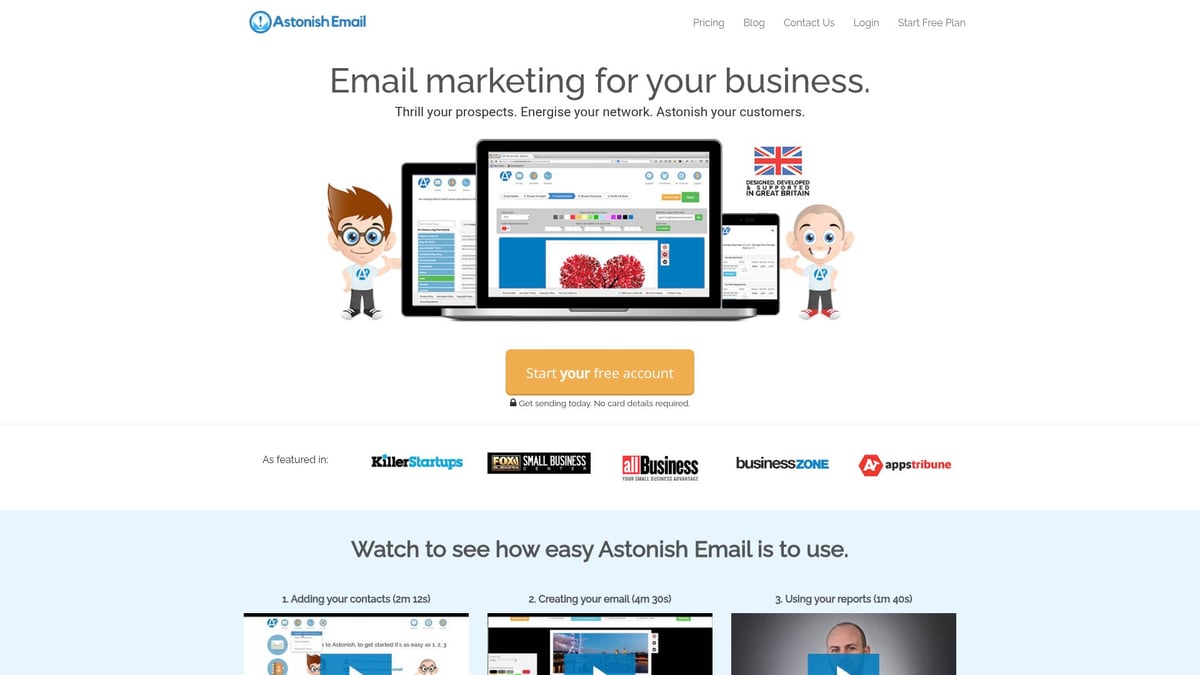
Automatic de-duplication means you never waste time sorting through repeated entries. Small business owners can focus on growing their mailing emails list, not cleaning it. “It takes minutes, not hours!” says Jon Booth of Your Mind Your Body, reflecting the platform’s real-world impact.
With Astonish Email, list growth becomes hassle-free, giving you more time to engage your audience and drive results.
Segmentation and Personalisation: Maximising Engagement
In 2026, generic batch-and-blast strategies no longer drive results for mailing emails. Audiences expect highly relevant content, delivered at just the right moment. Segmentation and personalisation are now the bedrock of effective email marketing, allowing you to speak directly to each subscriber’s needs and preferences.
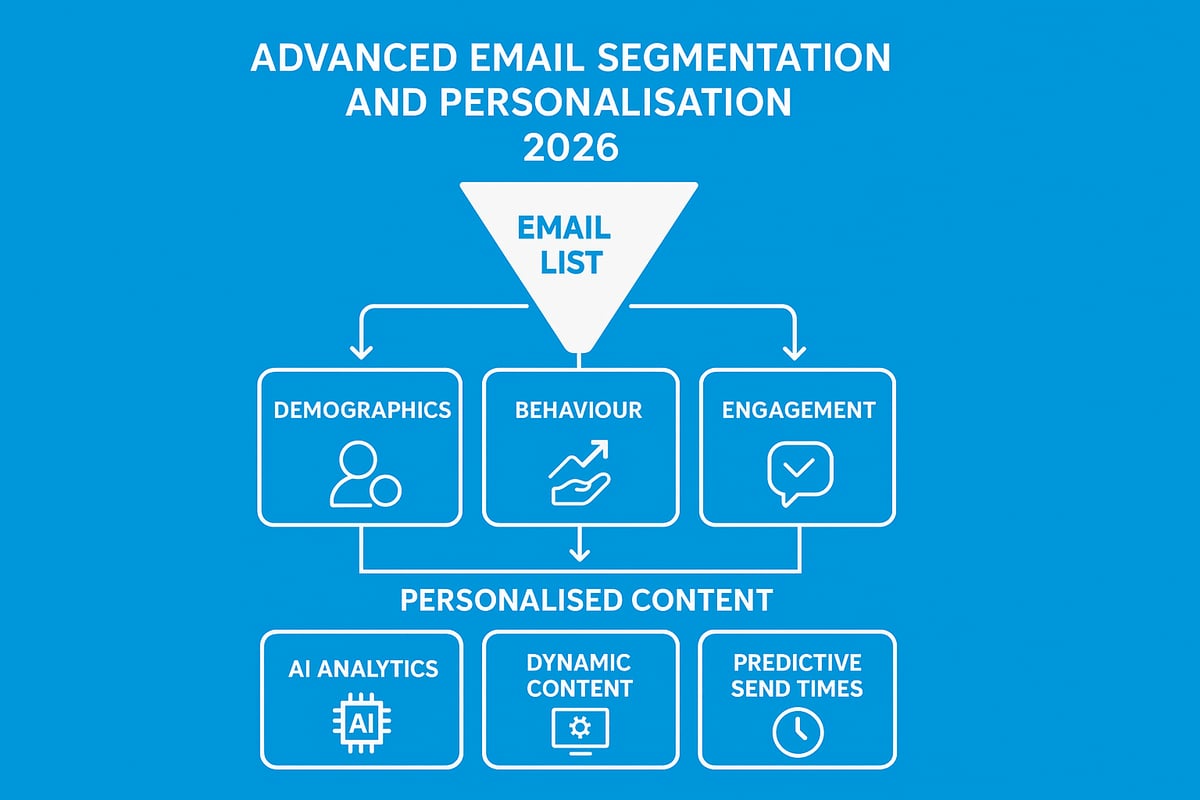
The competitive landscape means that mailing emails with a tailored approach is essential. Segmentation divides your list into smaller groups based on shared characteristics, such as demographics, purchase history, engagement level, and behaviour. This enables you to craft messages that address unique interests and triggers.
Here is a quick summary of common segmentation criteria:
| Segmentation Criteria | Example Use Case |
|---|---|
| Demographics | Targeting by age, location, or gender |
| Behaviour | Reactivating lapsed users |
| Engagement | Rewarding loyal readers |
| Purchase History | Upselling related products |
By leveraging these criteria, you can deliver content that resonates with each group. Mailing emails that are segmented and relevant see significantly higher engagement and conversion rates. According to Campaign Monitor, marketers using segmented campaigns report a 760% increase in revenue.
Personalisation takes segmentation a step further. It uses subscriber data to customise content, timing, and offers. With the help of AI and real-time analytics, you can adapt subject lines, product recommendations, and even send times for each recipient. For instance, Personalized emails increase click-through rates by up to 14%, highlighting the tangible benefits of advanced personalisation.
A/B testing plays a crucial role. Regularly experiment with different segmentation and personalisation strategies to see what resonates best. Analyse the results, then refine your approach for continuous improvement.
Effective mailing emails in 2026 demand more than just a personal touch. They require a commitment to understanding your audience and delivering true value in every send.
Advanced Personalisation Techniques for 2026
The evolution of personalisation means mailing emails now harness powerful integrations and interactive features. Connecting your email platform to CRM and e-commerce systems allows you to use granular data, such as purchase frequency, preferences, and browsing behaviour, to tailor messaging.
Interactive elements like polls, surveys, and dynamic images invite direct engagement. These features transform mailing emails from static messages into two-way conversations. For example, a retailer using predictive send times based on AI analysis achieved a 19% boost in open rates by delivering emails when each subscriber was most likely to engage.
AI-driven content recommendations are also on the rise. By analysing past behaviour, AI can suggest products or articles that align with individual interests. This level of personalisation keeps content fresh, relevant, and likely to drive action.
The key is to automate these processes without losing the human touch. Set up rules and triggers that adapt to subscriber behaviour in real time, ensuring every message remains timely and valuable.
Avoiding Over-Personalisation Pitfalls
While personalisation is powerful, it is vital to respect privacy and data boundaries when mailing emails. Overly intrusive messages can erode trust, especially if subscribers feel their information is being misused.
Balance relevance with discretion. Watch for signs of personalisation fatigue, such as rising unsubscribe rates or complaints. If engagement drops, scale back and focus on delivering value without overwhelming your audience.
Careful, ethical personalisation ensures long-term trust and sustainable results from your mailing emails.
Ensuring Deliverability and Avoiding the Spam Folder
In 2026, achieving strong deliverability is the difference between your mailing emails driving results or disappearing into the void. With inboxes flooded and AI-powered spam filters evolving rapidly, marketers face higher hurdles than ever to ensure their messages land where they belong.
The Evolving Landscape of Inbox Placement
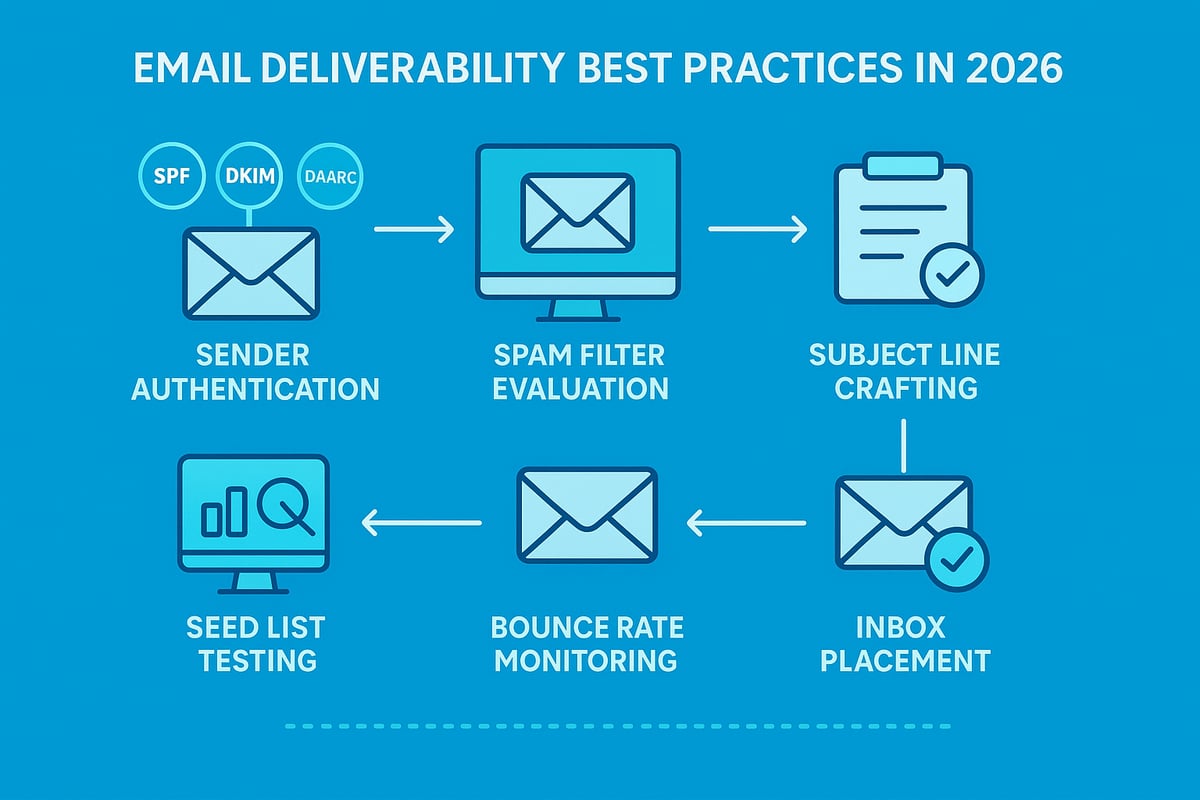
Spam filters are no longer static rule-based systems. Today, advanced AI analyses every aspect of mailing emails, from sender reputation to message content and even recipient engagement. If your sender domain has a poor track record or your email looks suspicious, it is far more likely to end up in a junk folder.
Authentication protocols are essential. Without SPF, DKIM, and DMARC, your mailing emails are flagged as risky by default. These protocols verify you are a legitimate sender, protecting both your brand and your recipients. Consistency in sending patterns also matters, as erratic volume spikes can signal spam-like behaviour to ISPs.
| Protocol | Purpose | Benefit |
|---|---|---|
| SPF | Validates sending server | Reduces spoofing risk |
| DKIM | Signs emails cryptographically | Confirms message integrity |
| DMARC | Aligns SPF and DKIM policies | Improves trust and reporting |
Key Steps to Boost Deliverability
Quality is crucial. Regularly clean your lists to remove inactive or invalid addresses. This lowers bounce rates and reduces the chances of your mailing emails being flagged as spam. According to Return Path, 21% of legitimate emails never reach the inbox, often due to outdated or poorly maintained lists.
Subject lines and preview text are another frontline defence. Avoid words and formats commonly associated with spam. For actionable tips on crafting effective subject lines, see Email Subject Line Best Practices.
A UK B2B SaaS provider improved deliverability by 15% after implementing DMARC and cleaning their lists. This demonstrates the power of maintaining both technical and data hygiene.
Seed lists and inbox placement testing tools allow you to preview how your mailing emails perform across providers. They also help you spot issues before your campaign goes live.
Finally, optimise the image-to-text ratio. Too many images or poorly coded HTML can trigger spam filters. Always test your mailing emails in different clients to ensure both design integrity and deliverability.
Monitoring and Responding to Deliverability Issues
Even with best practices, problems can occur. Set up automated alerts for blacklisting and sudden spikes in bounce rates. These early warnings are vital for maintaining the health of your mailing emails.
If you spot a dip in inbox placement, investigate sender reputation using postmaster tools from major ISPs. Address any authentication failures immediately. Remove or re-engage unresponsive contacts to improve overall engagement metrics.
Work closely with your email service provider to resolve issues, and consider joining feedback loops to receive direct complaints from recipients. Proactive monitoring ensures your mailing emails continue to deliver results, keeping your campaigns in front of your audience, not lost in spam.
Automation and Email Workflows for 2026
The landscape for mailing emails has evolved rapidly. In 2026, automation is not just a convenience, it is a necessity for driving consistent engagement and maximising ROI. Marketers can no longer rely on manual sends or basic drip campaigns. Instead, advanced automation lets you deliver timely, relevant content that speaks directly to each subscriber’s needs.
Automation tools now use AI to interpret behaviour, anticipate intent, and send perfectly timed messages. This shift means mailing emails is no longer about volume, but about intelligent, data-driven communication.
The New Era of Automated Workflows
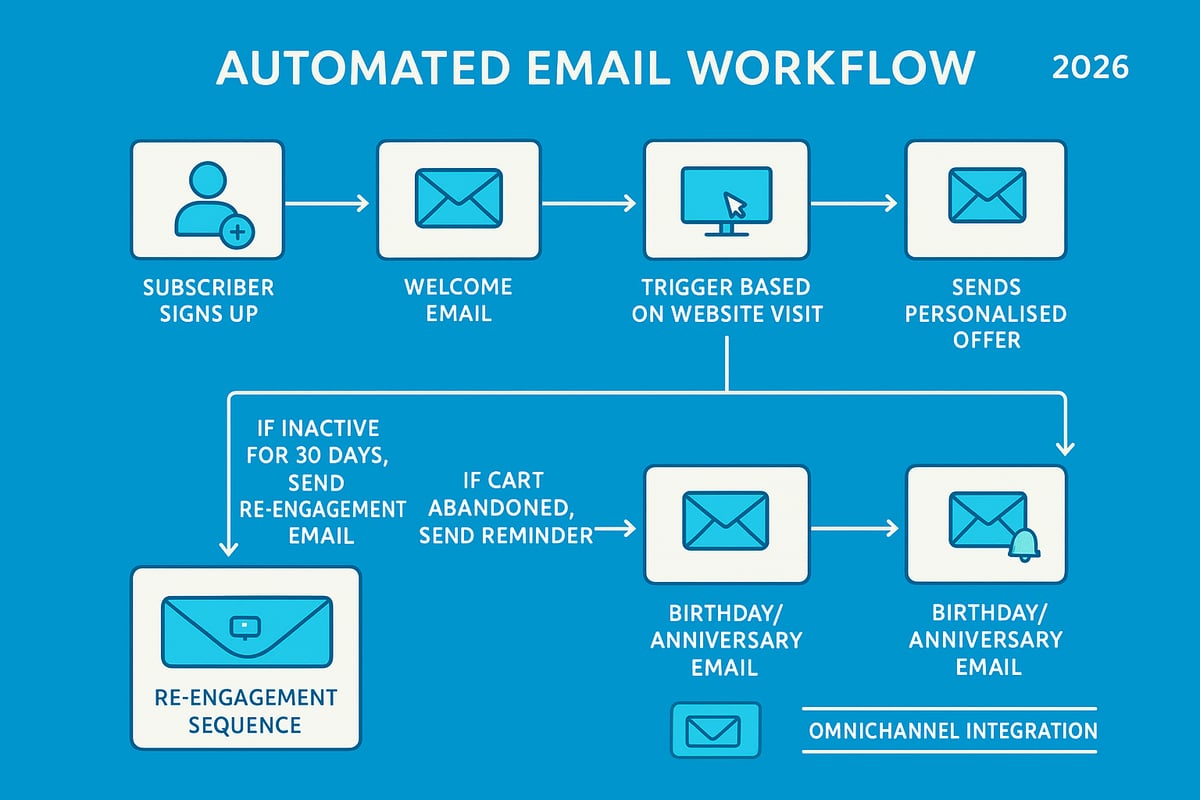
Sophisticated automation platforms have redefined mailing emails. Today’s workflows go far beyond simple scheduled campaigns. Marketers leverage welcome series, cart abandonment reminders, birthday and anniversary greetings, and re-engagement sequences to nurture relationships.
Let us look at some key automated workflows:
| Workflow | Purpose | Benefit |
|---|---|---|
| Welcome Series | Onboard new subscribers | Sets expectations, builds trust |
| Cart Abandonment | Recover lost sales | Increases conversion rates |
| Re-engagement | Win back inactive users | Cleans list, boosts engagement |
| Birthday/Anniversary | Personal touch for milestones | Enhances loyalty |
For example, an e-commerce brand leveraged automated cart reminders and recaptured 12% of abandoned carts in one quarter. This demonstrates the power of mailing emails at the right moment.
Leveraging Behavioural Triggers and AI
Automation for mailing emails in 2026 is powered by behavioural triggers and artificial intelligence. Instead of sending generic messages, platforms track user actions like website visits, app usage, and purchase activity.
When a subscriber browses a product but does not buy, the system can automatically send a targeted offer. If someone has not engaged recently, a re-engagement email is triggered. AI analyses patterns to predict the best time for mailing emails, ensuring higher open and click rates.
This level of sophistication is crucial for standing out in a crowded inbox. According to GetResponse, automated emails now generate 320% more revenue than non-automated messages. For a deeper dive on the financial impact, read about Email Marketing Return on Investment.
Best Practices for Mapping Customer Journeys
Effective automation for mailing emails requires a strategic approach. Start by mapping the customer journey from sign-up to repeat purchase. Identify key touchpoints where automated emails add value, such as onboarding, product recommendations, and post-purchase follow-ups.
Test each workflow regularly. Use A/B testing to refine subject lines, timing, and content. Monitor performance metrics to ensure your mailing emails continue to drive results.
Consider integrating other channels like SMS and push notifications. Omnichannel automation ensures your message reaches the right person, on the right device, at the right time.
Avoiding Common Automation Pitfalls
While automation offers enormous benefits, it is important to avoid mistakes. Over-emailing can lead to fatigue and unsubscribes. Ignoring time zones may result in messages arriving at odd hours.
Always segment your audience and respect communication preferences. Use suppression lists to prevent duplicate sends. Review your workflows quarterly to ensure your mailing emails remain relevant and compliant.
In summary, automation is the backbone of effective mailing emails in 2026. By embracing AI, behavioural triggers, and omnichannel strategies, you can consistently deliver value and drive measurable growth.
Compliance, Privacy, and Ethical Emailing in 2026
Staying compliant with evolving regulations is essential for every business mailing emails in 2026. Data protection laws such as GDPR, ePrivacy, and the UK’s PECR have become even more stringent, with fines now reaching up to £17.5 million for PECR violations. Marketers face increased scrutiny over how they collect, store, and use subscriber data. Failing to comply not only risks heavy penalties but also damages brand reputation and trust in a competitive inbox environment.
Building trust through transparent consent is now a cornerstone of successful mailing emails. Subscribers expect to know exactly how their data will be used. Use clear sign-up forms, state your intentions, and provide granular consent options. Ethical list-building practices, such as double opt-in and well-managed preferences, demonstrate respect for user autonomy. For practical tips on avoiding spam traps and gaining compliant subscribers, see Email Sign-Ups and Spam Prevention.
Managing unsubscribes and data subject requests is no longer just a courtesy, it is a legal requirement. Make your unsubscribe process simple—one click, no hidden steps. Respond promptly to requests for data access or deletion. Recent research shows that 57% of consumers will unsubscribe from mailing emails if privacy terms are unclear or difficult to find. Accessibility is also crucial. Ensure your emails meet WCAG standards so every subscriber, including those with disabilities, can access your content.
Privacy changes are reshaping how marketers track and measure mailing emails. Features like Apple Mail Privacy Protection limit open rate tracking and mask user data. Marketers must adjust by focusing on engagement metrics that respect privacy, such as clicks and conversions. Adopting compliant tools and templates streamlines your processes. Regularly review your practices to stay ahead of regulatory updates and maintain ethical standards throughout your campaigns.
Measuring Success: Analytics and Continuous Improvement
Understanding what drives results is essential for anyone mailing emails in 2026. Without clear analytics, even the most creative campaigns risk missing their mark. Today, measuring success means tracking more than just opens and clicks. It requires a holistic approach that captures both engagement and real business impact.
Tracking Core Metrics
To accurately assess the performance of your mailing emails, start with the essentials:
| Metric | What It Reveals | Why It Matters |
|---|---|---|
| Open Rate | Subject line effectiveness | Gauge initial interest |
| Click-Through Rate | Content engagement | See which links attract |
| Conversion Rate | Action taken by recipients | Measures real ROI |
| Bounce Rate | List health | Identify deliverability issues |
| Unsubscribe Rate | Audience satisfaction | Spot relevance problems |
Monitoring these metrics provides a snapshot of how your mailing emails perform. However, focusing solely on numbers like open rates can be misleading. True success lies in understanding the story behind the data.
Moving Beyond Vanity Metrics
Modern marketers know that mailing emails must be measured against tangible business goals. Instead of chasing high open rates, focus on metrics such as revenue per campaign, customer lifetime value, and long-term engagement. According to Email marketing delivers £40 for every £1 spent, the potential return is significant, but only if you align your analysis with business outcomes.
Consider this: a non-profit segmented its audience based on engagement data, resulting in an 18% increase in donations. This shift from vanity metrics to meaningful segmentation can transform the impact of your mailing emails.
Setting Benchmarks and Embracing New Tools
Every industry, audience, and campaign is different. Establish realistic benchmarks for your mailing emails by analysing past performance and comparing with industry standards. Regularly review these benchmarks to ensure continuous improvement.
Heatmaps and click maps provide visual insights into subscriber behaviour, highlighting which areas of your emails attract the most attention. This data helps refine design and content for better engagement.
Building a Culture of Experimentation
Continuous improvement is the backbone of effective mailing emails. Encourage regular A/B testing of subject lines, content, and timing. Analyse workflow performance, then iterate based on results. According to Litmus, 80% of marketers use analytics to refine their campaigns, demonstrating the value of this approach.
Leverage AI-powered analytics for predictive insights. These tools can forecast the best times to send, suggest content variations, and anticipate subscriber needs, giving your mailing emails a competitive edge.
Actionable Insights for 2026
- Track advanced metrics, not just opens and clicks.
- Use segmentation and engagement data to drive real results.
- Set industry-relevant benchmarks and review them regularly.
- Adopt heatmaps and AI analytics for deeper understanding.
- Foster a culture of testing and learning to ensure your mailing emails evolve.
With the right analytics and a mindset of continuous improvement, your mailing emails will not only reach inboxes, but also drive measurable business growth.