Email Making: Craft Messages That Convert in 2026
February 15, 2026
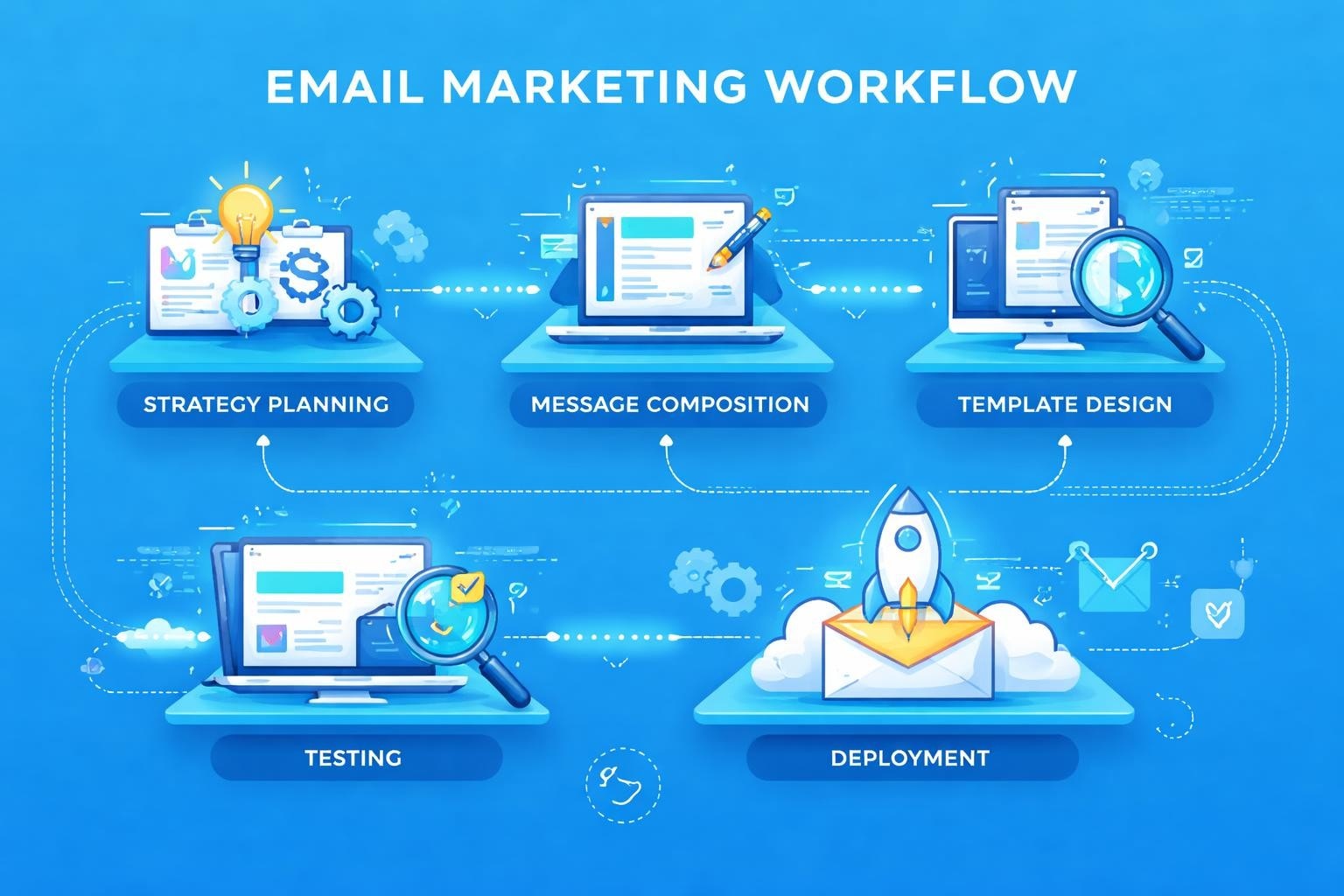
Email making remains one of the most powerful marketing activities for small businesses in 2026, yet many entrepreneurs struggle to create messages that genuinely resonate with their audience. The process encompasses far more than simply typing words into a composition window. It involves strategic planning, thoughtful design, careful copywriting, and continuous optimization to ensure every message delivers value to recipients while achieving business objectives. This comprehensive guide explores the essential elements of effective email making, providing actionable strategies that small business owners can implement immediately to improve their email marketing performance.
Understanding the Foundation of Email Making
Email making represents the complete process of conceptualizing, designing, writing, and deploying email communications that serve specific business purposes. This discipline requires balancing technical requirements with creative execution while maintaining compliance with anti-spam regulations and industry best practices.
The Strategic Framework
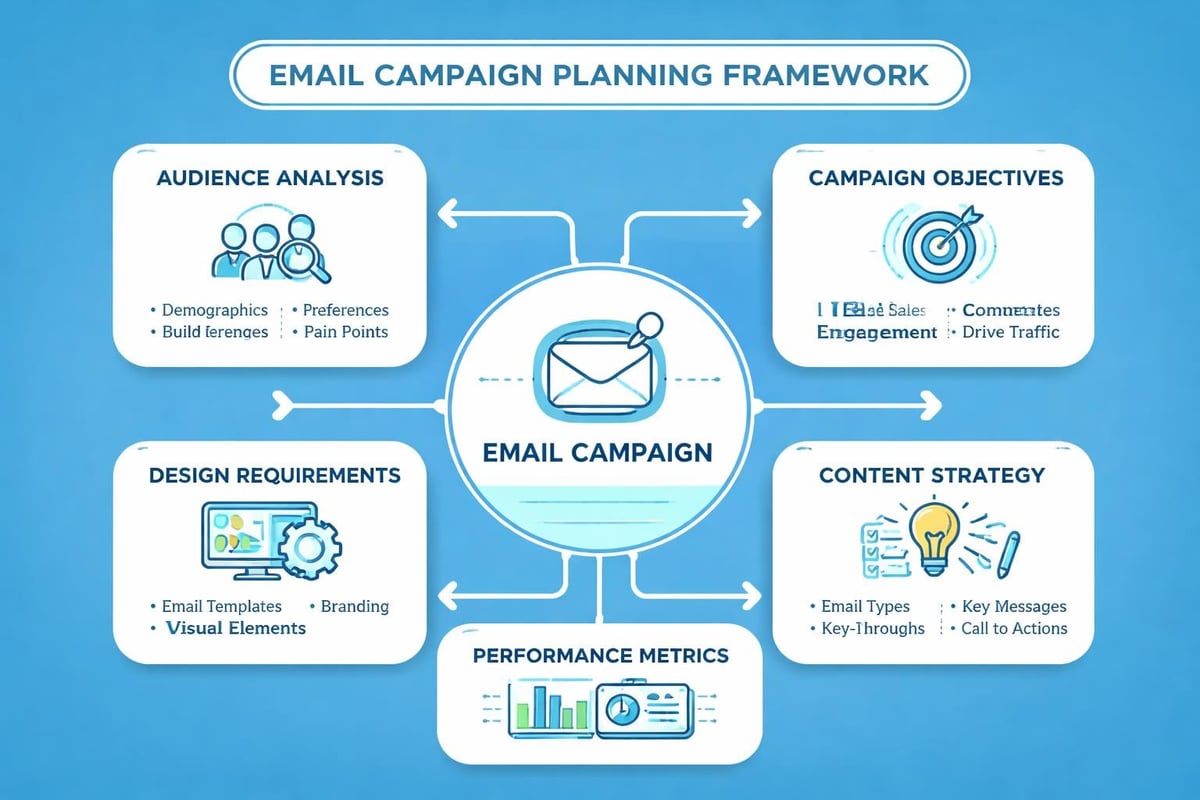
Before creating any email, successful marketers establish clear objectives. Campaign goals might include nurturing leads, announcing product launches, sharing educational content, or re-engaging dormant subscribers. Each objective demands different approaches to content, design, and timing.
The email making process begins with audience analysis. Small businesses must understand:
- Demographic characteristics of their subscriber base
- Behavioral patterns including open times and engagement preferences
- Pain points that your products or services address
- Content preferences based on previous interaction data
- Device usage to optimize for mobile or desktop viewing
Research indicates that personalized emails deliver six times higher transaction rates than generic broadcasts. This statistic underscores why understanding your audience forms the cornerstone of effective email making.
Crafting Compelling Email Content
The content creation phase of email making separates successful campaigns from messages that languish unread in crowded inboxes. Every element, from subject lines to closing calls-to-action, requires deliberate consideration.
Subject Line Excellence
Your subject line determines whether recipients open your email or scroll past it. Effective email making prioritizes this critical element through specific techniques:
- Keep it concise - Aim for 40-50 characters to ensure mobile visibility
- Create urgency - Time-sensitive language encourages immediate action
- Personalize strategically - Include recipient names or relevant details
- Ask questions - Engage curiosity through interrogative phrasing
- Test variations - A/B testing reveals what resonates with your audience
According to Grammarly's email writing guidance, clear subject lines that accurately represent content establish trust and improve long-term engagement rates.
Body Copy That Converts
The email body delivers on the subject line's promise. Professional email making follows proven copywriting principles:
Lead with value. Your opening sentence should immediately communicate what recipients gain by reading. Avoid lengthy preambles that bury your main message beneath unnecessary context.
Use scannable formatting. Most readers skim emails rather than reading every word. Structure content with:
- Short paragraphs (2-3 sentences maximum)
- Descriptive subheadings
- Bullet points for lists
- Bold text for emphasis
- White space to reduce visual clutter
Maintain conversational tone. While professionalism matters, overly formal language creates distance. Write as though speaking directly to one person, using "you" and "your" to establish connection.
| Content Element | Best Practice | Common Mistake |
|---|---|---|
| Paragraph length | 2-3 sentences | Dense text blocks |
| Sentence structure | Varied, 10-20 words | All same length |
| Voice | Active, direct | Passive, vague |
| Vocabulary | Clear, specific | Jargon-heavy |
| Focus | Reader benefits | Company features |
Indiana University's email writing guide emphasizes maintaining a clear purpose throughout your message, ensuring every sentence advances your primary objective.
Calls-to-Action That Drive Results
Email making success ultimately depends on recipient action. Your call-to-action (CTA) transforms passive readers into active participants.
Effective CTAs share common characteristics:
- Action-oriented verbs - "Download," "Register," "Shop," "Learn"
- Clear value proposition - What happens when they click?
- Visual prominence - Button design, color contrast, strategic placement
- Singular focus - One primary action per email
- Urgency when appropriate - Limited-time offers or deadline-driven actions
Testing different CTA placements reveals optimal positioning for your audience. Some respond best to early CTAs, while others need more information before committing to action.
Design Principles for Email Making
Visual presentation significantly impacts email performance. Professional email making balances aesthetic appeal with functional design that supports your message and encourages engagement.
Template Architecture
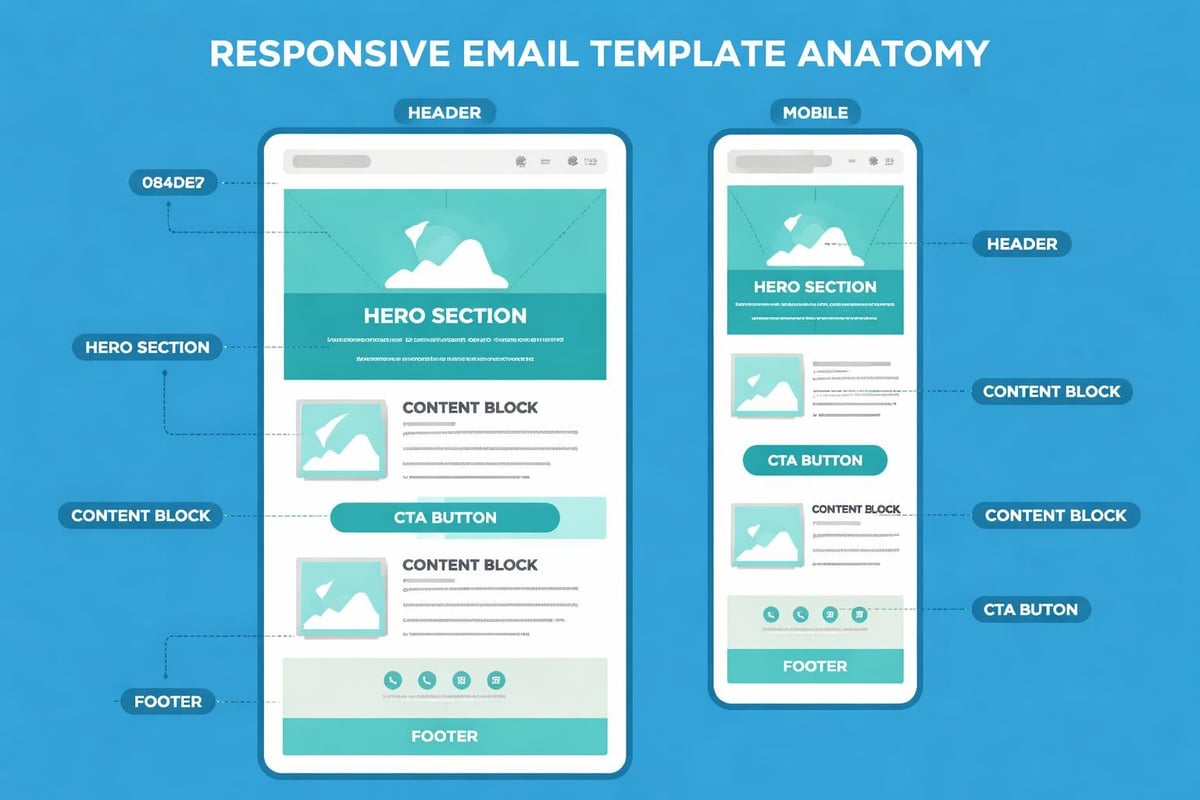
Well-structured templates create consistency across campaigns while providing flexibility for varied content. Essential template components include:
Header section featuring your logo and brand identity establishes immediate recognition. This area might also include navigation links, though mobile optimization often requires simplified header designs.
Hero image or banner captures attention and sets the tone for your message. Choose visuals that reinforce your content rather than serving purely decorative purposes.
Content blocks organize information into digestible sections. Modular design allows rearranging elements based on specific campaign needs without recreating entire templates.
Footer elements provide required information including unsubscribe links, physical addresses, and social media connections. This section also offers opportunities for secondary CTAs or supplementary content links.
Mobile Optimization Requirements
With over 60% of emails opened on mobile devices in 2026, responsive design is non-negotiable for email making. Key considerations include:
- Single-column layouts for easy scrolling
- Minimum 14px font size for body text
- Touch-friendly buttons (44x44px minimum)
- Compressed images for faster loading
- Simplified navigation compared to desktop versions
Testing templates across multiple devices and email clients ensures consistent rendering. Services like Litmus and Email on Acid identify rendering issues before deployment.
Technical Aspects of Email Making
Behind attractive designs and compelling copy lies technical infrastructure that determines whether emails reach inboxes or get filtered to spam folders. Understanding these technical elements is essential for successful email making.
Deliverability Fundamentals
Authentication protocols verify your sending identity and protect recipients from phishing attempts. Implement these standards:
- SPF records specify which servers can send email from your domain
- DKIM signatures add encrypted signatures proving message authenticity
- DMARC policies instruct receiving servers how to handle authentication failures
- Consistent sending domains build reputation over time
Maintaining clean subscriber lists directly impacts deliverability. Regular list hygiene removes:
- Invalid email addresses
- Persistent hard bounces
- Unengaged subscribers beyond re-engagement campaigns
- Spam trap addresses
- Role-based addresses when appropriate
HubSpot's email marketing best practices emphasize that sender reputation affects whether your carefully crafted emails ever reach their intended recipients.
HTML and Accessibility
Professional email making requires basic HTML knowledge or quality tools that generate clean code. Best practices include:
Semantic HTML uses appropriate tags (headers, paragraphs, lists) that assistive technologies interpret correctly. This benefits screen reader users while improving overall code quality.
Alt text for images ensures content accessibility when images don't load or for visually impaired subscribers. Descriptive alt text also helps recipients understand context without seeing visuals.
Color contrast ratios meeting WCAG standards ensure text remains readable for people with visual impairments. Aim for at least 4.5:1 contrast between text and background colors.
Keyboard navigation allows recipients using keyboard-only navigation to access all interactive elements, particularly important for CTA buttons and links.
Personalization and Segmentation Strategies
Advanced email making leverages data to deliver increasingly relevant messages to specific audience segments. This targeted approach significantly outperforms one-size-fits-all broadcasts.
Segmentation Criteria
Divide your subscriber base using criteria aligned with your business model:
- Purchase history - Recent buyers, frequent customers, lapsed purchasers
- Engagement levels - Highly active, moderately engaged, at-risk subscribers
- Demographic data - Age, location, job title, company size
- Behavioral triggers - Website visits, cart abandonment, content downloads
- Email preferences - Content topics, frequency, format preferences
Each segment receives messages tailored to their specific characteristics and needs. A new subscriber requires different content than a loyal customer who has purchased multiple times.
Dynamic Content Implementation
Dynamic content changes based on recipient attributes without creating entirely separate emails. Common applications include:
Product recommendations based on browsing history or previous purchases create personalized shopping experiences within marketing emails.
Location-specific information shows relevant store locations, local events, or regional offers based on subscriber addresses.
Conditional content blocks display or hide sections based on subscriber data, such as showing upgrade offers only to free-tier users.
Countdown timers create urgency for time-sensitive promotions by calculating remaining time based on when each recipient opens the email.
Platforms like Astonish Email provide small businesses with sophisticated personalization capabilities previously available only to enterprise companies.
Testing and Optimization Methods
Continuous improvement distinguishes amateur email making from professional practice. Systematic testing reveals what resonates with your specific audience rather than relying on industry generalizations.
A/B Testing Framework
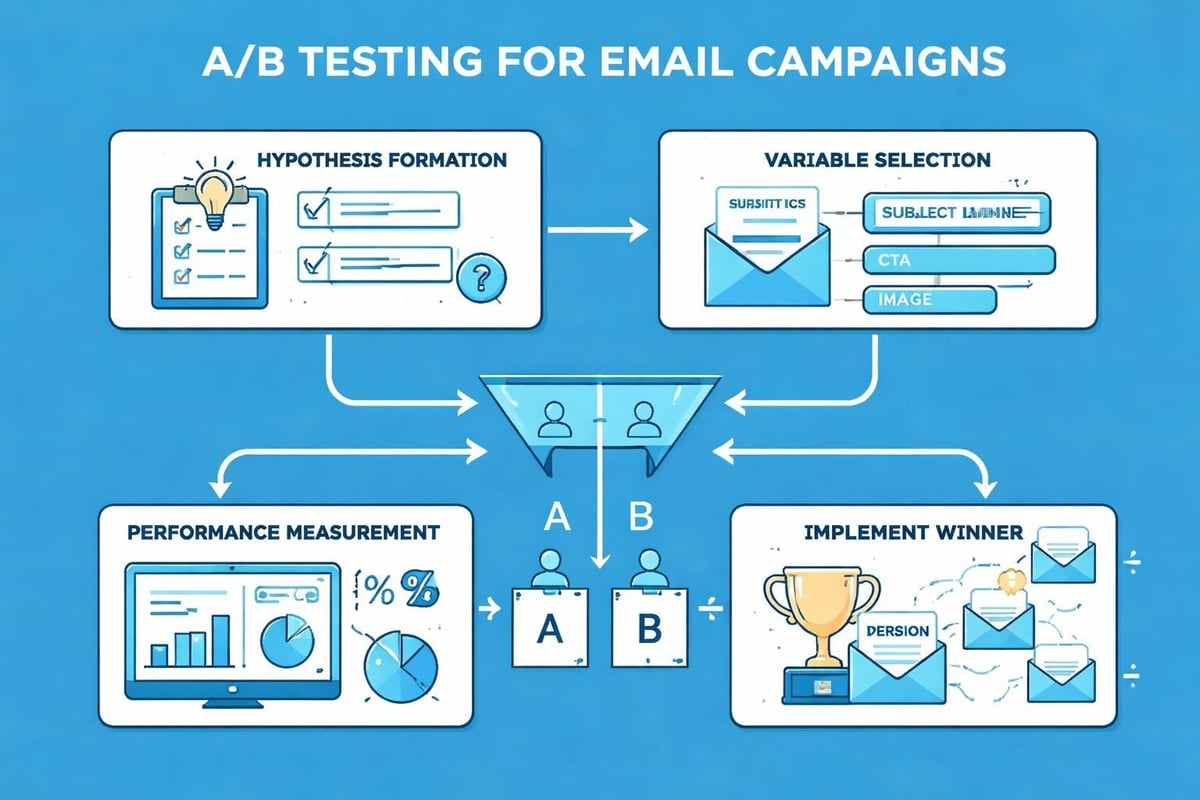
Also called split testing, this methodology compares two versions to determine which performs better. Test one variable at a time:
| Test Variable | Options to Compare | Primary Metric |
|---|---|---|
| Subject line | Length, urgency, personalization | Open rate |
| Send time | Day of week, time of day | Open rate |
| CTA text | Action verbs, value propositions | Click rate |
| Images | Product vs. lifestyle, number of images | Engagement |
| Content length | Short vs. detailed | Conversion rate |
Statistical significance requires adequate sample sizes. Small lists may need longer testing periods to generate actionable data. Most email platforms calculate confidence levels automatically, indicating when results are reliable.
Performance Metrics That Matter
Email making success is measured through specific key performance indicators (KPIs):
Open rate indicates subject line effectiveness and sender reputation. Industry averages vary by sector, but tracking your own trends over time provides more valuable insights than comparing to generic benchmarks.
Click-through rate (CTR) measures content relevance and CTA effectiveness. This metric reveals whether your message motivates action beyond simply opening.
Conversion rate tracks completed objectives, whether purchases, registrations, downloads, or other goal completions. This ultimate success metric connects email making directly to business outcomes.
List growth rate balances new subscribers against unsubscribes and bounces, indicating overall list health and acquisition effectiveness.
Revenue per email quantifies financial impact, particularly important for e-commerce businesses tracking direct sales attribution.
Understanding email marketing metrics helps small businesses allocate resources effectively and prioritize optimization efforts.
Compliance and Ethical Considerations
Responsible email making requires adherence to legal requirements and ethical standards that protect subscribers and maintain your business reputation.
Legal Requirements
CAN-SPAM Act in the United States mandates specific requirements for commercial emails:
- Accurate header information (From, To, Reply-To)
- Non-deceptive subject lines
- Clear identification as advertisements when applicable
- Valid physical postal address
- Conspicuous unsubscribe mechanisms
- Honor opt-out requests within 10 business days
GDPR for European subscribers imposes stricter requirements:
- Explicit consent before sending marketing emails
- Clear explanation of data usage
- Easy access to stored personal information
- Right to be forgotten upon request
- Prompt breach notifications
CASL in Canada requires express consent before sending commercial electronic messages, with specific rules about implied consent periods and content requirements.
Maintaining compliance with anti-spam regulations protects your business from significant fines while building subscriber trust.
Ethical Best Practices
Beyond legal minimums, ethical email making respects subscriber preferences and maintains transparent communication:
Frequency management allows subscribers to choose how often they receive emails. Some prefer daily updates while others want weekly or monthly digests.
Content preferences let subscribers select topics of interest, ensuring they receive only relevant messages that provide genuine value.
Clear value exchange establishes what subscribers gain in return for sharing their email addresses and attention. Whether exclusive content, early access, or special discounts, deliver on promises consistently.
Honest preview text accurately represents email content rather than using deceptive tactics to inflate open rates. Short-term metric boosts achieved through deception damage long-term trust and engagement.
Automation and Workflow Development
Strategic email making incorporates automation that delivers timely, relevant messages triggered by subscriber actions or time-based schedules.
Welcome Series Design
New subscriber onboarding represents your most important automated workflow. These initial emails set expectations and build relationships:
- Immediate welcome confirms subscription and delivers promised incentives
- Brand introduction shares your story, values, and unique selling proposition
- Product/service education highlights key offerings and their benefits
- Social proof presents testimonials, case studies, or user success stories
- Conversion invitation encourages first purchase or desired action
Spacing these emails over 7-14 days prevents overwhelming new subscribers while maintaining consistent communication during the critical early relationship period.
Behavioral Triggers
Automated emails based on subscriber actions deliver exceptional relevance:
Cart abandonment sequences recover potentially lost sales by reminding shoppers about items left behind, often including incentives to complete purchases.
Browse abandonment campaigns target visitors who viewed products without adding items to carts, suggesting they need additional information or motivation.
Post-purchase follow-ups confirm orders, provide shipping updates, request reviews, and suggest complementary products based on purchase history.
Re-engagement campaigns attempt to revive inactive subscribers through compelling subject lines, special offers, or preference center updates before removing them from active lists.
Anniversary emails celebrate subscriber milestones like signup anniversaries or first purchase dates, strengthening emotional connections with your brand.
According to Microsoft's email best practices, well-timed automated messages demonstrate attention to individual subscriber needs while maintaining efficiency.
Content Planning and Editorial Calendars
Sustainable email making requires organized planning that ensures consistent communication without last-minute scrambling or content gaps.
Strategic Calendar Development
Annual planning identifies major campaigns tied to:
- Seasonal opportunities - Holidays, industry events, weather patterns
- Product launches - New offerings, updates, discontinuations
- Company milestones - Anniversaries, achievements, expansions
- Industry trends - Emerging topics, regulatory changes, market shifts
Monthly planning adds granular detail:
- Specific send dates and times
- Campaign themes and objectives
- Target segments for each message
- Content requirements and responsibilities
- Design needs and asset creation
- Testing plans and success metrics
Weekly planning handles tactical execution and responds to emerging opportunities or unexpected challenges requiring schedule adjustments.
Content Variety Strategies
Successful email making balances different content types:
Educational content positions your business as a trusted resource, sharing expertise without immediate sales pressure. How-to guides, industry insights, and best practice compilations build authority and goodwill.
Promotional messages drive direct revenue through product announcements, sales events, and special offers. These emails require careful balance-too frequent and you risk subscriber fatigue; too rare and you miss revenue opportunities.
Entertainment value creates enjoyable reading experiences through storytelling, behind-the-scenes glimpses, or personality-driven content that humanizes your brand.
Community building highlights customer stories, user-generated content, or interactive elements that foster connections between subscribers and your brand.
The optimal mix varies by industry and audience. B2B audiences often prefer educational content with occasional promotions, while retail consumers might engage more with promotional emails balanced by lifestyle content.
Writing for Different Email Types
Different email categories demand distinct approaches within the broader email making discipline. Understanding these variations improves performance across your complete email program.
Transactional Emails
These messages confirm actions or provide account information. While primarily functional, transactional emails offer subtle marketing opportunities:
Order confirmations should clearly summarize purchase details while suggesting related products or loyalty program benefits.
Shipping notifications build anticipation and reduce support inquiries by providing tracking information and estimated delivery dates.
Password resets prioritize security and clarity, though they might include brief tips for account security or feature highlights.
Receipt emails serve as records while potentially showcasing upcoming sales or new arrivals based on purchase categories.
Transactional emails achieve the highest open rates of any email type, making them valuable real estate for strategic brand messaging that doesn't compromise their primary purpose.
Newsletter Development
Regular newsletters maintain consistent touchpoints with subscribers through curated content collections. Effective newsletter email making includes:
Consistent structure that readers recognize immediately, with familiar sections appearing in predictable locations.
Content curation that selects the most valuable information from various sources, saving subscribers time while demonstrating your market knowledge.
Original insights that provide unique perspectives or analysis unavailable elsewhere, reinforcing your subscription value.
Visual hierarchy that helps readers quickly identify sections of interest and decide where to invest reading time.
Resources like Drexel University's email tips emphasize clarity and organization, particularly important for content-rich newsletter formats.
Promotional Campaign Emails
Sales-focused messages require persuasive email making that balances urgency with value:
Clear offers state exactly what subscribers receive, avoiding confusion about discounts, terms, or eligibility requirements.
Scarcity and urgency encourage immediate action through limited quantities or time-sensitive pricing, though overuse diminishes effectiveness.
Visual emphasis on products or offers ensures recipients immediately grasp the promotional value without reading extensive copy.
Streamlined paths to conversion minimize friction between email and purchase completion, removing unnecessary steps or decision points.
Advanced Email Making Techniques
As businesses mature their email programs, sophisticated techniques deliver incremental performance improvements that compound over time.
Predictive Analytics
Machine learning algorithms analyze historical engagement data to optimize send times, content recommendations, and churn prediction:
Send time optimization identifies when individual subscribers most likely open and engage with emails, automatically scheduling delivery for maximum impact.
Content recommendations suggest products, articles, or resources based on behavioral patterns and similarities to other subscribers with comparable characteristics.
Churn prediction identifies subscribers at risk of disengagement, triggering retention campaigns before they become fully inactive.
Lifetime value forecasting estimates future customer worth based on early behaviors, allowing appropriate resource allocation to high-potential subscribers.
Interactive Email Elements
Emerging technologies enable functionality previously impossible within email clients:
Accordion menus expand and collapse content sections, allowing information-dense emails without overwhelming initial views.
Image carousels showcase multiple products or features within limited space, encouraging exploration without leaving the inbox.
Embedded forms collect information directly within emails, reducing friction for surveys, RSVPs, or preference updates.
Real-time content updates information at open time rather than send time, useful for countdown timers, inventory levels, or live pricing.
Browser and email client support for interactive elements varies significantly. Ensure graceful degradation so subscribers using unsupported clients still receive functional, attractive emails.
Resource Allocation for Email Making
Small businesses must balance email marketing investment against competing priorities and limited budgets. Strategic resource allocation maximizes return on email making efforts.
Tool Selection Criteria
Email service providers range from basic sending platforms to comprehensive marketing automation suites. Essential capabilities include:
- List management and segmentation
- Template builders with drag-and-drop interfaces
- Automation workflow creation
- A/B testing functionality
- Analytics and reporting
- Deliverability monitoring
- Integration with existing business tools
Small businesses often find mid-tier platforms offer the best value, providing necessary features without enterprise-level complexity or pricing. Reviewing available email marketing plans helps identify solutions matching your current needs and growth trajectory.
Team Structure Considerations
Email making responsibilities can be distributed based on available resources:
Solo practitioners handle all aspects personally, benefiting from streamlined decision-making but facing potential bandwidth constraints during busy periods.
Small teams divide responsibilities by strength-perhaps one person handles copywriting while another manages design and technical implementation.
Specialized roles emerge as programs scale, with dedicated email marketers, designers, developers, and analysts focusing exclusively on email channel performance.
Agency partnerships provide expertise and capacity without full-time headcount, particularly valuable for businesses with seasonal fluctuation or specialized campaign needs.
Time Investment Guidelines
Realistic time allocation ensures sustainable email making:
| Activity | Weekly Time Investment | Frequency |
|---|---|---|
| Strategy planning | 2-3 hours | Weekly |
| Content creation | 4-6 hours | Per campaign |
| Design and coding | 2-4 hours | Per campaign |
| Testing and QA | 1-2 hours | Per campaign |
| Performance analysis | 2-3 hours | Weekly |
| List management | 1-2 hours | Weekly |
These estimates vary based on campaign complexity, team experience, and available tools. Automation and templates reduce time requirements after initial setup periods.
Email Making for Different Industries
While fundamental principles apply universally, effective email making adapts to specific industry characteristics and audience expectations.
E-commerce Applications
Online retailers leverage email making to drive transactions through:
- Product discovery emails showcasing new arrivals or curated collections
- Personalized recommendations based on browsing and purchase history
- Abandoned cart recovery sequences
- Post-purchase cross-sells and upsells
- Loyalty program communications and exclusive member benefits
Visual emphasis on products, clear pricing information, and streamlined purchase paths characterize successful e-commerce email making.
Service Business Approaches
Companies selling services rather than physical products focus email making on:
- Educational content demonstrating expertise and building trust
- Case studies and testimonials providing social proof
- Appointment reminders and scheduling opportunities
- Service updates and enhancement announcements
- Thought leadership positioning the business as an industry authority
Service emails often require more copy to explain offerings and overcome the intangibility challenge inherent in service marketing.
B2B Considerations
Business-to-business email making addresses longer sales cycles and multiple decision-makers:
- Longer-form content addressing complex topics
- ROI calculators and business case builders
- Industry research and trend analysis
- Webinar invitations and educational events
- Account-based marketing for target companies
B2B emails typically accept lower engagement rates than B2C communications but pursue higher-value conversions justifying more extensive nurture sequences.
Emerging Trends in Email Making
The email making landscape continuously evolves as technologies advance and consumer expectations shift. Staying informed about emerging trends positions small businesses for continued success.
Artificial Intelligence Integration
AI transforms multiple aspects of email making:
Copywriting assistance suggests subject lines, body copy, and CTA variations based on performance patterns and natural language processing.
Design optimization recommends layouts, color schemes, and image selections aligned with brand guidelines and audience preferences.
Predictive personalization anticipates subscriber needs based on behavioral signals and demographic patterns, surfacing relevant content proactively.
Performance forecasting estimates campaign results before deployment, allowing refinement and optimization during the creation process rather than after launch.
Privacy-First Marketing
Increasing privacy regulations and third-party cookie deprecation affect email making strategies:
First-party data emphasis prioritizes information collected directly from subscribers through progressive profiling and preference centers.
Transparent data practices clearly communicate what information you collect, how you use it, and the value subscribers receive in exchange.
Zero-party data collection asks subscribers to voluntarily share preferences, interests, and intentions through interactive content and preference centers.
Consent management ensures compliant opt-in processes and respects granular communication preferences across multiple dimensions.
According to research on email engagement factors, respecting privacy preferences actually improves engagement by building trust with increasingly privacy-conscious audiences.
Mobile-First Evolution
As mobile usage continues growing, email making prioritizes mobile experiences:
Simplified designs reduce cognitive load on smaller screens through focused messaging and clear visual hierarchy.
Touch-optimized interactions ensure buttons, links, and interactive elements accommodate finger navigation rather than precise cursor positioning.
Vertical scrolling embraces natural mobile behavior rather than forcing horizontal interaction or complex navigation.
Reduced image dependency ensures messages remain effective when images load slowly or subscribers disable them by default.
Mastering email making requires balancing creative expression with technical precision, strategic thinking with tactical execution, and automation efficiency with personal relevance. Small businesses that invest in developing these skills create powerful marketing assets that consistently deliver measurable results while building lasting relationships with customers and prospects. Whether you're just beginning your email marketing journey or looking to refine an established program, Astonish Email provides the tools and capabilities small businesses need to compete effectively through professional email making that drives real business growth.