Create and Email: The Complete Guide for Small Businesses
February 25, 2026
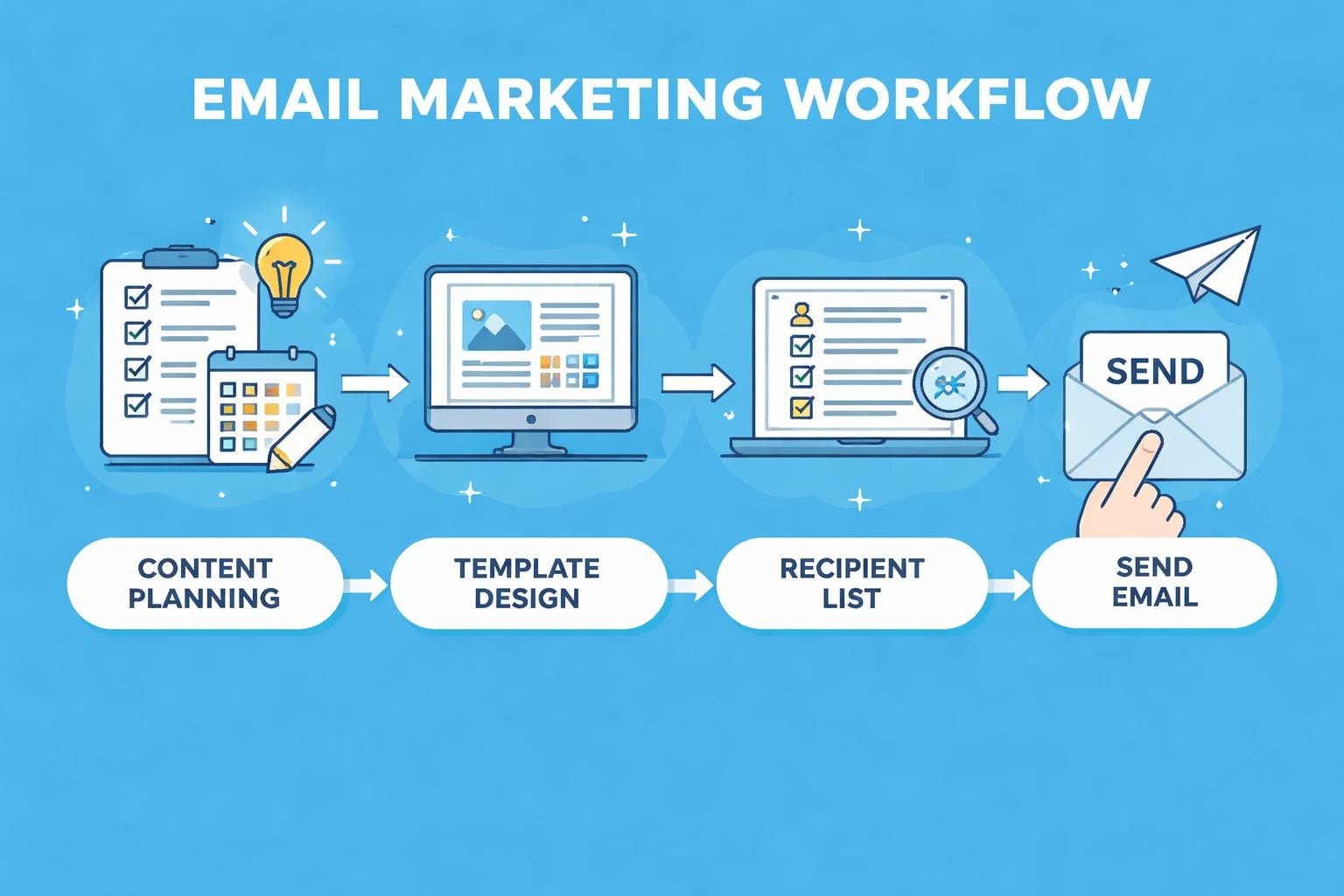
The ability to create and email effective campaigns represents one of the most valuable skills for small business owners in 2026. Email marketing continues to deliver exceptional returns, with every pound spent generating an average of £42 in revenue. Yet many entrepreneurs struggle to transform their ideas into compelling messages that actually reach their audiences. Whether you're launching your first newsletter or refining your existing strategy, understanding how to create and email campaigns properly determines whether your messages inspire action or languish unread in crowded inboxes.
Understanding the Fundamentals to Create and Email Campaigns
Before diving into technical details, establishing a solid foundation ensures your email marketing efforts succeed from the start. The process to create and email campaigns involves far more than typing a message and pressing send.
Building Your Subscriber List Properly
Your email list represents your most valuable marketing asset. Unlike social media followers, email subscribers have explicitly granted permission to communicate with them directly.
List building best practices include:
- Creating compelling opt-in offers that provide genuine value
- Implementing double opt-in processes to ensure list quality
- Segmenting subscribers based on interests and behaviours
- Maintaining clean lists by removing inactive addresses regularly
- Never purchasing email lists, which damages sender reputation
Proper list management protects your ability to create and email future campaigns successfully. The CAN-SPAM Act of 2003 establishes legal requirements that govern commercial emails, including mandatory unsubscribe mechanisms and truthful header information.
Choosing the Right Email Marketing Platform
Selecting appropriate software streamlines your ability to create and email professional campaigns. Modern platforms offer templates, automation, analytics, and deliverability features that manual methods cannot match.
When evaluating platforms, consider these factors:
- Ease of use - Intuitive interfaces save time and reduce errors
- Template library - Pre-designed layouts accelerate campaign creation
- Automation capabilities - Triggered emails improve engagement
- Analytics dashboard - Detailed metrics inform optimization
- Deliverability rates - Strong sender reputation ensures inbox placement
- Customer support - Responsive assistance prevents costly mistakes
Small businesses particularly benefit from platforms designed specifically for their needs, offering powerful features without enterprise complexity. Understanding the available pricing options helps match your budget to required functionality.
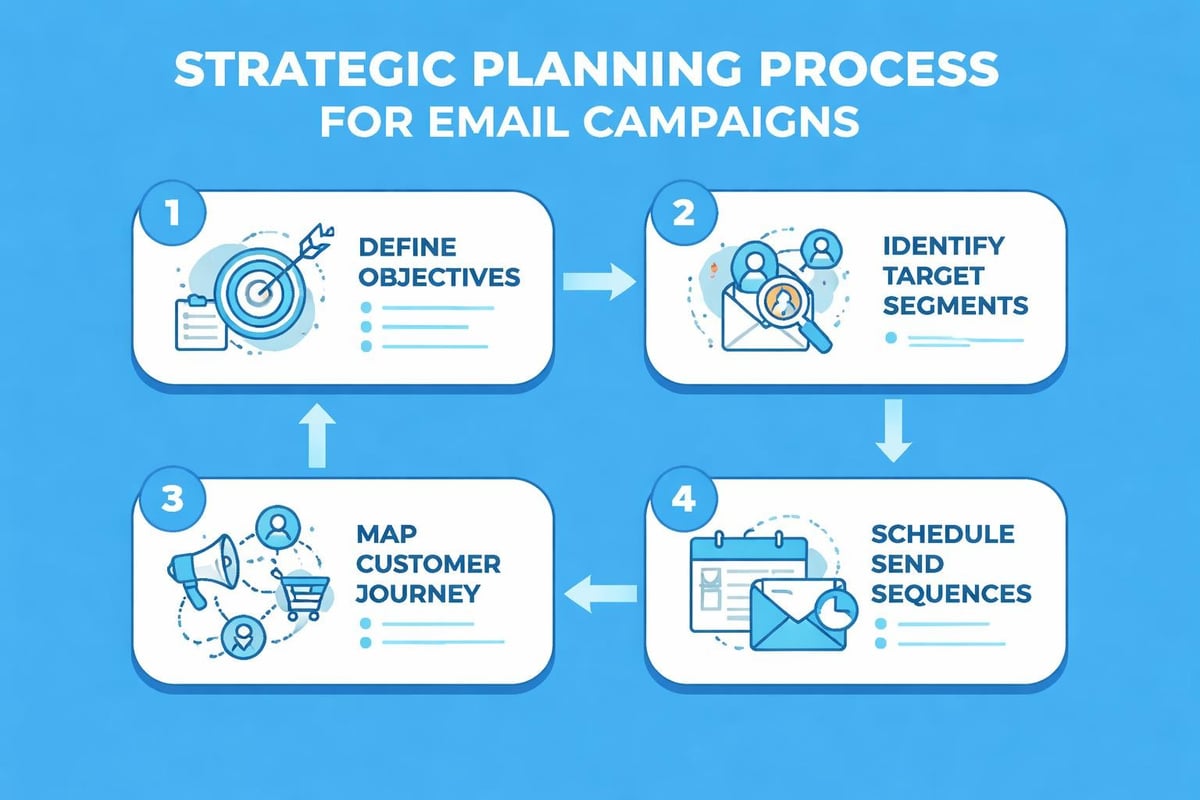
Crafting Compelling Content When You Create and Email
Content quality determines whether recipients engage with your messages or mark them as spam. Every element requires careful consideration.
Writing Subject Lines That Drive Opens
Your subject line represents the single most important component when you create and email campaigns. This brief text determines whether your message gets opened or ignored.
| Subject Line Type | Example | Open Rate Impact |
|---|---|---|
| Curiosity-driven | "The mistake 87% of businesses make" | High |
| Benefit-focused | "Save 3 hours weekly with this tool" | High |
| Personalised | "Sarah, your exclusive offer inside" | Very High |
| Urgency-based | "Last chance: Offer expires tonight" | Medium-High |
| Generic | "Our monthly newsletter" | Low |
According to research on creating effective emails, clear subject lines that set accurate expectations significantly improve engagement rates.
Designing Email Body Content
The main body content requires balancing information delivery with visual appeal. When you create and email messages, structure matters enormously.
Effective email body elements:
- Clear hierarchy - Use headings, subheadings, and white space
- Scannable text - Short paragraphs and bullet points improve readability
- Compelling copy - Focus on benefits rather than features
- Strong visuals - Include relevant images that support your message
- Single focus - Each email should have one primary objective
- Mobile optimization - Over 60% of emails are opened on mobile devices
Modern recipients scan rather than read thoroughly. Structure your content to communicate key points even when skimmed quickly. The email communication guidelines emphasise audience segmentation and targeted messaging for maximum effectiveness.
Creating Effective Calls to Action
Every email needs a clear call to action (CTA) that tells recipients exactly what to do next. Ambiguous or missing CTAs waste the opportunity you've created through your campaign.
Strong CTAs share these characteristics:
- Action-oriented language ("Download Now", "Claim Your Discount")
- Visual prominence through contrasting buttons or colours
- Strategic placement above the fold and repeated below
- Clear value proposition explaining why to click
- Urgency or scarcity when appropriate
When you create and email promotional campaigns, your CTA button converts interest into measurable business results.
Technical Considerations to Create and Email Successfully
Technical execution separates amateur efforts from professional campaigns that consistently reach inboxes and drive engagement.
Ensuring Deliverability and Avoiding Spam Filters
The most brilliantly crafted email accomplishes nothing if it never reaches the intended recipient. Deliverability depends on multiple technical factors.
Critical deliverability elements include:
- Authentication protocols - SPF, DKIM, and DMARC verify sender legitimacy
- Sender reputation - Consistent sending patterns and low complaint rates
- Content quality - Avoid spam trigger words and excessive capitalisation
- Engagement metrics - High open rates signal valuable content
- List hygiene - Remove bounces and inactive addresses promptly
Following email delivery best practices protects your sender reputation and ensures messages reach primary inboxes rather than spam folders. Small businesses cannot afford to waste campaigns through poor technical implementation.
Personalisation and Segmentation Strategies
Generic mass emails generate poor results compared to targeted, personalised messages. When you create and email campaigns using segmentation, response rates typically increase by 50% or more.
| Segmentation Type | Example Criteria | Personalisation Opportunity |
|---|---|---|
| Demographic | Age, location, job title | Localised content and offers |
| Behavioural | Purchase history, site activity | Product recommendations |
| Engagement | Open rates, click patterns | Re-engagement campaigns |
| Lifecycle stage | New subscriber, loyal customer | Stage-appropriate messaging |
| Preference | Content interests, frequency | Tailored topic selection |
Modern platforms make it simple to create and email different messages to different segments using the same interface. This targeted approach respects subscriber preferences whilst maximising relevance.
Optimising Timing When You Create and Email Campaigns
Choosing the optimal send time significantly impacts campaign performance. Research consistently demonstrates that when you send matters nearly as much as what you send.
Determining the Best Send Times
Multiple factors influence ideal sending times, including your industry, audience demographics, and content type. Recent research on optimal email timing uses sophisticated models to maximise open rates through strategic scheduling.
General timing guidelines:
- Tuesday through Thursday typically outperform Monday and Friday
- Mid-morning (10-11am) catches recipients after initial inbox clearing
- Early afternoon (1-3pm) reaches people during work breaks
- Industry variations matter substantially (B2B differs from retail)
- Testing your specific audience provides the most reliable data
Rather than following generic advice blindly, track performance across different send times to identify patterns within your unique subscriber base.
Frequency and Consistency Considerations
Determining how often to create and email campaigns requires balancing staying top-of-mind against overwhelming recipients. Send too frequently and subscribers disengage; send too rarely and they forget about you.
Finding your optimal frequency involves:
- Starting with a sustainable schedule you can maintain
- Monitoring unsubscribe rates after each campaign
- Surveying subscribers about their preferences
- Testing different frequencies with small segments
- Adjusting based on engagement metrics
Consistency matters more than frequency. Subscribers appreciate predictable schedules, whether that's weekly, fortnightly, or monthly communications.
Measuring Success After You Create and Email
Analytics transform email marketing from guesswork into science. Tracking the right metrics enables continuous improvement over time.
Essential Email Marketing Metrics
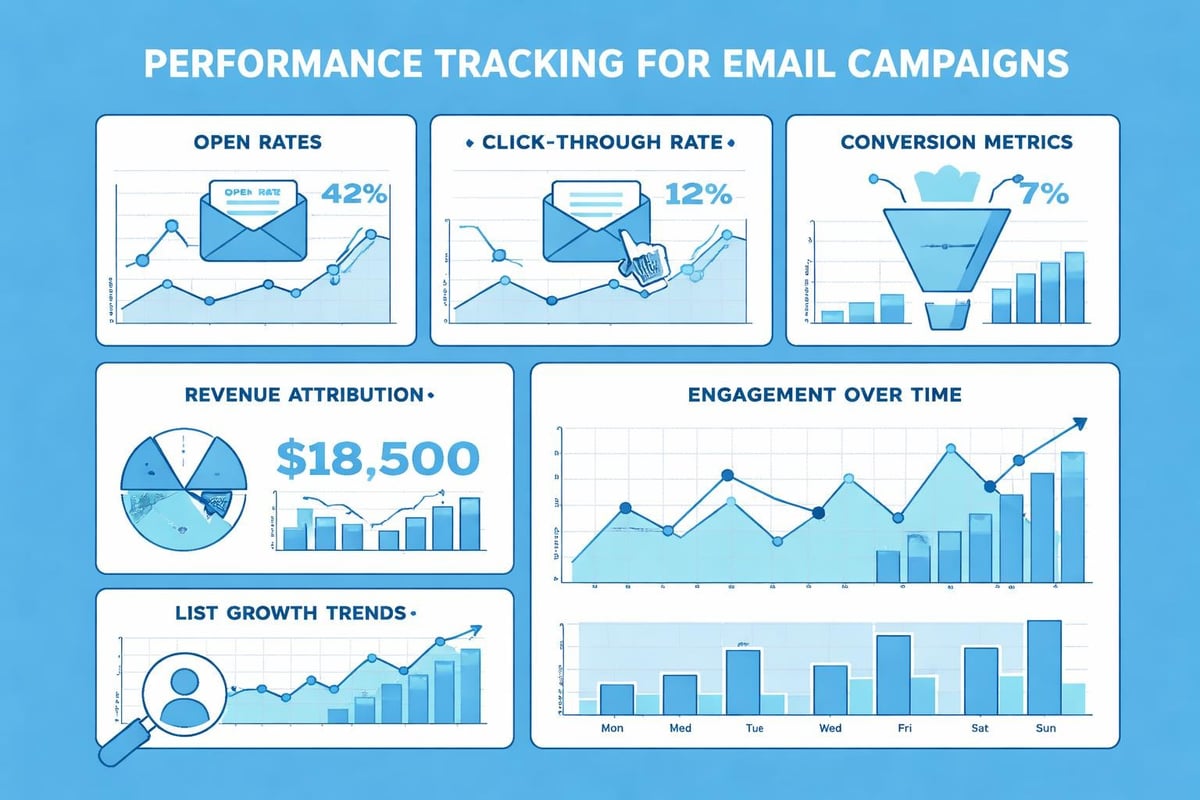
Understanding which numbers matter helps focus optimization efforts effectively. When you create and email campaigns, these metrics deserve attention:
Primary performance indicators:
- Open rate - Percentage of recipients who open your email
- Click-through rate (CTR) - Percentage who click links within the message
- Conversion rate - Percentage who complete desired actions
- Bounce rate - Emails that fail to deliver
- Unsubscribe rate - Recipients who opt out after receiving
- List growth rate - New subscribers minus unsubscribes and bounces
| Metric | Industry Average 2026 | Good Performance | Excellent Performance |
|---|---|---|---|
| Open Rate | 21.5% | 25-30% | 30%+ |
| CTR | 2.3% | 3-5% | 5%+ |
| Conversion | 1.8% | 2-4% | 4%+ |
| Unsubscribe | 0.3% | <0.5% | <0.2% |
These benchmarks provide context, but your own historical performance offers the most meaningful comparison point.
A/B Testing for Continuous Improvement
Testing different elements reveals what resonates with your specific audience. When you create and email campaigns, systematic testing drives improvement.
Elements worth testing include:
- Subject line variations (length, tone, personalisation)
- Send times and days
- From name (company vs. individual)
- Email length and format
- CTA button colour, text, and placement
- Image usage and positioning
Test one variable at a time to isolate which changes drive results. The best practices for email campaigns emphasise the importance of obtaining consent and personalising content based on performance data.
Compliance and Security When You Create and Email
Legal compliance and security practices protect both your business and your subscribers whilst maintaining deliverability.
Understanding Legal Requirements
Commercial email operates within strict regulatory frameworks. Violations result in substantial fines and reputational damage.
Key compliance elements include:
- Explicit consent - Recipients must actively opt in
- Clear identification - Your business must be identifiable
- Physical address - Include a valid postal address
- Unsubscribe mechanism - Easy one-click opt-out option
- Honour opt-outs promptly - Remove addresses within 10 business days
- Accurate subject lines - No deceptive or misleading headers
The Astonish Email antispam policy demonstrates commitment to responsible email practices that protect sender reputation.
Protecting Subscriber Data
Email marketing involves handling personal information, creating data protection responsibilities. Following email security best practices safeguards sensitive subscriber data.
Security measures include:
- Encrypted data transmission and storage
- Access controls limiting who can view subscriber information
- Regular security audits and vulnerability assessments
- Secure password policies for platform access
- Backup systems preventing data loss
- Clear data retention and deletion policies
Understanding data retention requirements ensures compliance whilst respecting subscriber privacy.
Advanced Strategies to Create and Email Effectively
Once you've mastered fundamentals, advanced techniques elevate your email marketing to professional levels.
Implementing Marketing Automation
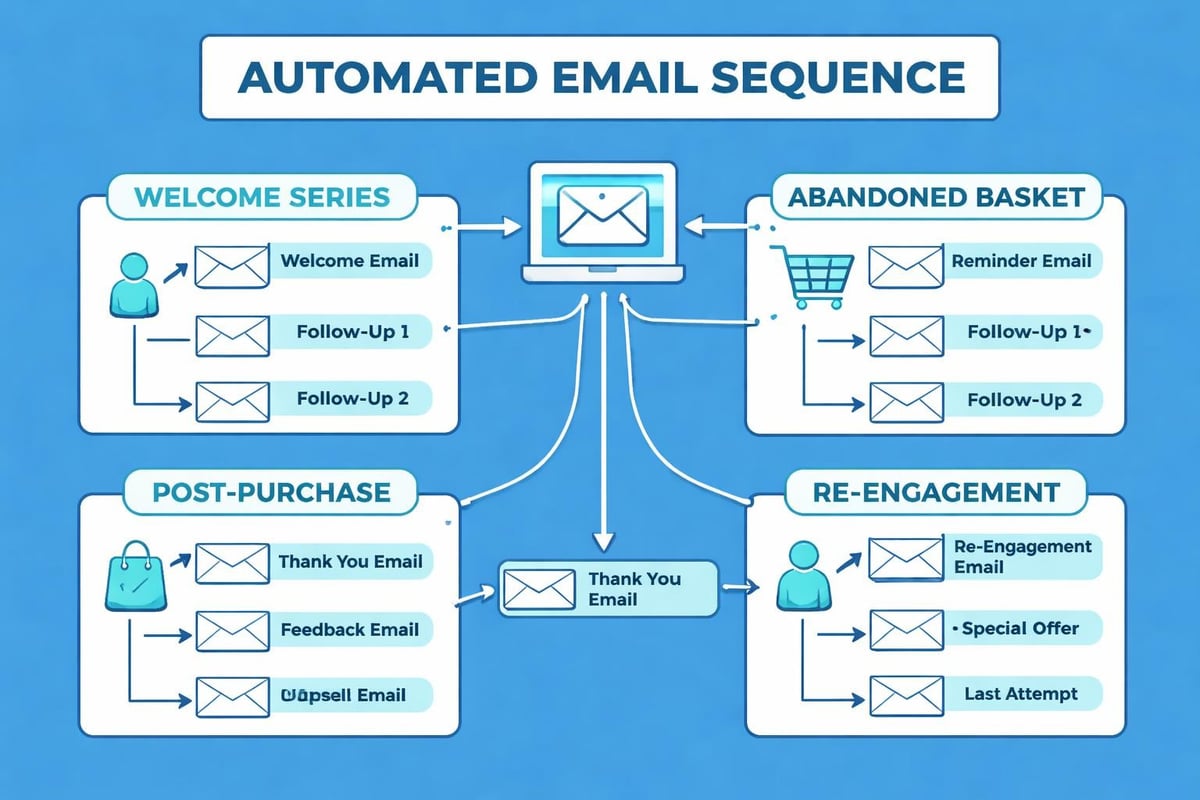
Automation enables sophisticated campaigns that would be impossible manually. When you create and email automated sequences, subscribers receive timely, relevant messages based on their behaviours.
Valuable automation workflows:
- Welcome series - Introduce new subscribers to your business over multiple emails
- Abandoned basket - Remind customers about items left in shopping carts
- Post-purchase - Thank buyers and suggest complementary products
- Birthday campaigns - Send personalised offers on subscriber birthdays
- Re-engagement - Win back inactive subscribers before removing them
These automated sequences work continuously in the background, nurturing relationships whilst you focus on other business priorities.
Integrating Email with Other Marketing Channels
Email performs best as part of a coordinated multi-channel strategy. When you create and email campaigns that connect with your other marketing efforts, overall effectiveness increases.
Integration opportunities include:
- Promoting email content through social media
- Using email to drive traffic to blog posts
- Retargeting email subscribers with display ads
- Coordinating email with content marketing calendars
- Leveraging email data to inform social media targeting
This holistic approach ensures consistent messaging across all customer touchpoints. Learning advanced techniques like mail merge adds personalisation capabilities that strengthen connections.
Creating Templates to Streamline Future Campaigns
Developing reusable templates dramatically reduces the time required to create and email regular campaigns whilst maintaining brand consistency.
Designing Effective Email Templates
Professional templates balance aesthetic appeal with functionality. Your template should reflect your brand identity whilst remaining flexible enough for different content types.
Template design principles:
- Responsive layouts that adapt to all screen sizes
- Modular sections that can be rearranged or removed
- Consistent colour schemes matching brand guidelines
- Readable typography with appropriate sizing
- Strategic white space preventing cluttered appearance
- Mobile-first design prioritising smartphone users
Quality templates transform the process to create and email campaigns from hours to minutes. The email etiquette guidelines from Purdue University emphasise professional formatting and appropriate language use.
Building a Content Library
Maintaining a repository of reusable content elements speeds campaign creation. This library might include:
- Successful subject line formulas
- High-performing body copy frameworks
- Proven CTA button variations
- Brand-approved images and graphics
- Product descriptions and benefits
- Customer testimonials and reviews
When you create and email new campaigns, drawing from this library ensures consistency whilst allowing customisation for specific objectives.
Troubleshooting Common Challenges
Even experienced marketers encounter obstacles. Recognising and resolving common issues quickly minimises their impact.
Addressing Low Engagement Rates
Declining opens and clicks signal problems requiring attention. When your campaigns underperform, systematic diagnosis identifies root causes.
| Symptom | Possible Cause | Solution |
|---|---|---|
| Low open rates | Weak subject lines | Test alternative approaches |
| Low CTR | Unclear CTAs | Strengthen calls to action |
| High unsubscribes | Irrelevant content | Improve segmentation |
| Spam complaints | Too frequent sending | Reduce frequency |
| Poor conversions | Misaligned offers | Better audience research |
The email best practices resource covers audience targeting, message formatting, and success measurement to address these challenges.
Managing List Decay
Email lists naturally deteriorate over time as addresses become inactive or subscribers lose interest. Proactive list management maintains quality.
List maintenance strategies:
- Remove hard bounces immediately
- Re-engage inactive subscribers before deletion
- Verify email addresses during signup
- Update subscriber preferences regularly
- Monitor engagement trends across segments
When you create and email campaigns to a healthy, engaged list, deliverability improves and results strengthen.
Mastering how to create and email effective campaigns requires understanding strategy, execution, and continuous optimization. By implementing these proven techniques, small businesses build valuable relationships with customers whilst driving measurable revenue growth. Astonish Email provides the tools and support needed to transform your email marketing from basic communications into a sophisticated revenue engine that consistently delivers results for your business.