Need Email Address: Essential Guide for Business Success
February 22, 2026
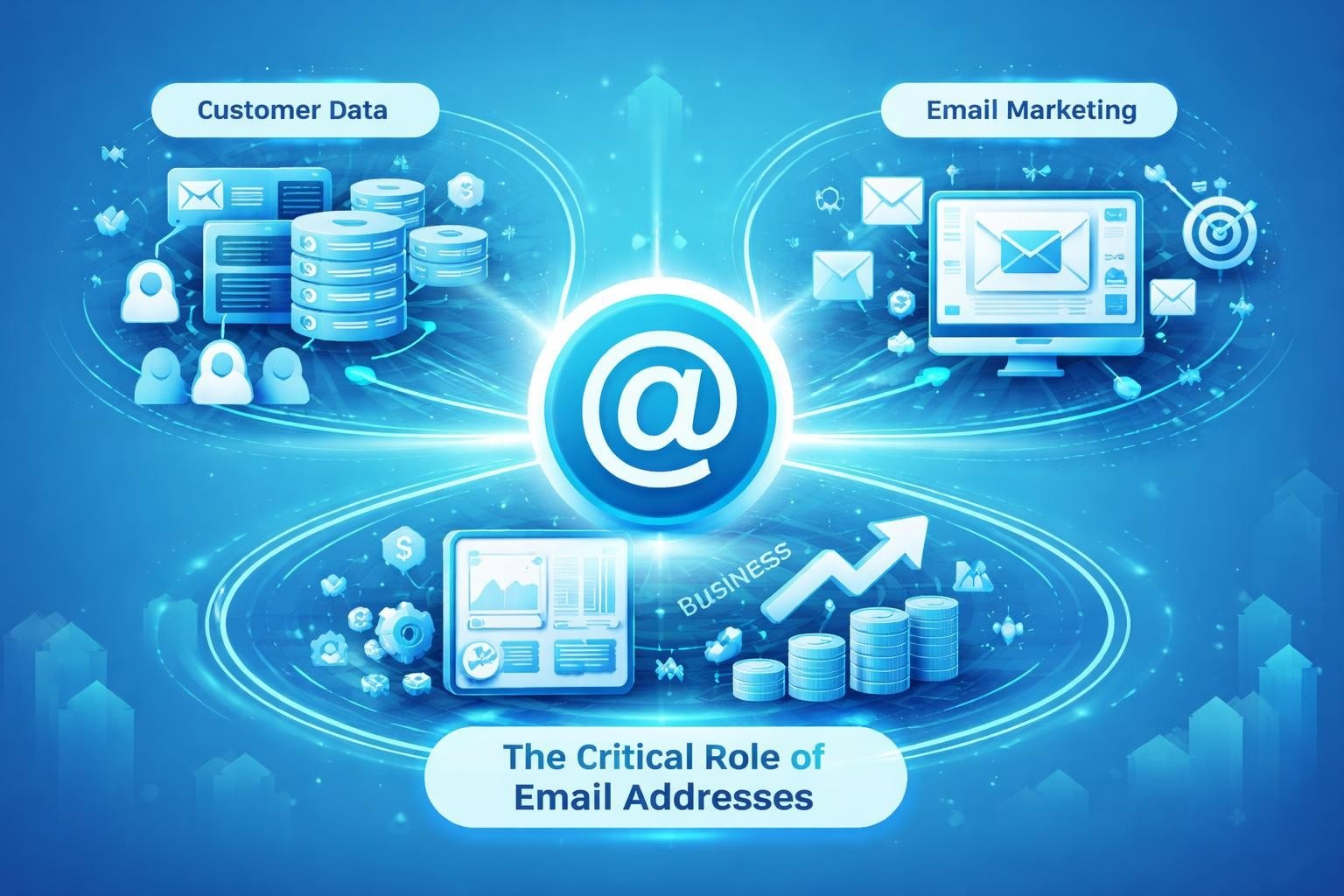
Every business transaction, marketing campaign, and customer relationship begins with a fundamental requirement: you need email address information from your audience. Whether you're launching a new product, nurturing leads, or building a loyal customer base, email addresses serve as the cornerstone of modern business communication. For small businesses navigating the competitive landscape of 2026, understanding how to properly collect, manage, and utilise email addresses isn't just beneficial-it's essential for survival and growth.
Why Businesses Need Email Address Data
Building a robust email list represents one of the most valuable assets any small business can develop. Unlike social media followers or website visitors, email subscribers have granted you direct access to their personal communication channel. When you need email address information from prospects, you're establishing a direct line of communication that no algorithm can restrict or remove.
The value proposition is clear:
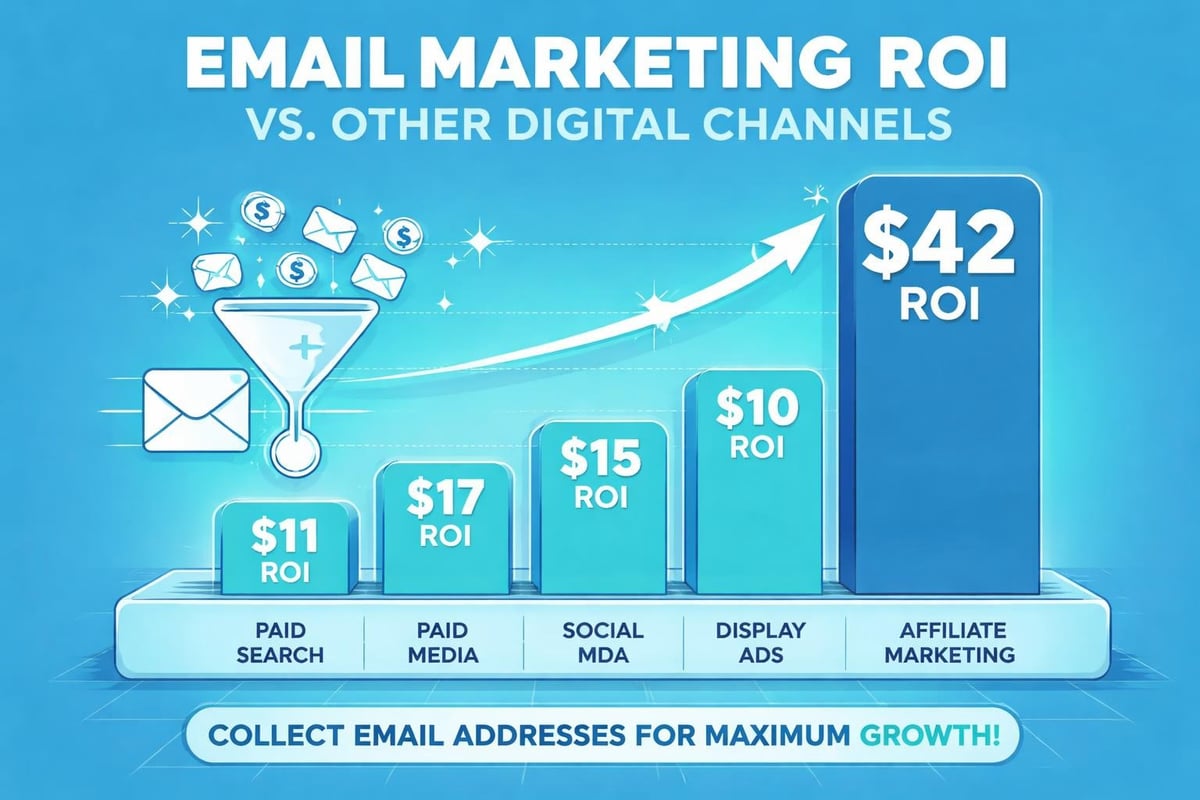
- Email marketing delivers an average ROI of £42 for every £1 spent
- You own your email list, unlike social media audiences
- Direct communication builds stronger customer relationships
- Personalised messaging increases conversion rates by up to 760%
Small businesses particularly benefit from email marketing because it levels the playing field. You don't need email address data from millions of people to succeed. A targeted list of 500 engaged subscribers often outperforms a disconnected list of 50,000. This makes email marketing ideal for businesses with limited budgets who still need email address collection to compete effectively.
Legal and Ethical Collection Methods
When you need email address information from customers, compliance with data protection regulations isn't optional. The UK GDPR and Data Protection Act 2018 establish strict requirements for how businesses collect, store, and use personal information. Understanding these frameworks protects your business whilst building trust with your audience.
Essential compliance requirements include:
- Explicit consent: Clearly explain what subscribers will receive
- Transparent opt-in: Use unchecked boxes and clear language
- Easy unsubscribe: Provide simple opt-out mechanisms in every email
- Data security: Protect email addresses with appropriate safeguards
- Purpose limitation: Use addresses only for stated purposes
Astonish Email's acceptable use policy provides small businesses with clear guidelines for ethical email marketing practices. When you need email address data collection systems, choosing platforms with built-in compliance features reduces legal risks whilst maintaining professional standards.
The consequences of non-compliance extend beyond financial penalties. Reputation damage, loss of customer trust, and decreased deliverability rates can cripple your marketing efforts. Following email best practices from trusted institutions ensures your collection methods stand up to regulatory scrutiny.
Building Your Email Collection Strategy
Strategic email collection requires understanding where and how to request addresses effectively. You need email address capture mechanisms integrated throughout your customer journey, not just at a single touchpoint. Multiple collection points increase opportunities whilst allowing prospects to engage when they're most interested.
| Collection Method | Conversion Rate | Best Use Case |
|---|---|---|
| Website Pop-ups | 3-8% | New visitor engagement |
| Checkout Process | 15-25% | Purchase confirmation |
| Content Downloads | 25-40% | Lead magnet offers |
| In-store Sign-ups | 10-20% | Retail environments |
| Event Registration | 60-80% | Webinars and workshops |
Creating Compelling Opt-in Offers
When you need email address submissions from reluctant visitors, value exchange becomes crucial. People protect their inbox space, so your opt-in offer must justify the intrusion. Small businesses often succeed by offering immediate, tangible benefits rather than vague promises.
High-converting opt-in incentives:
- Exclusive discount codes (10-20% off first purchase)
- Downloadable resources (guides, templates, checklists)
- Early access to sales or new products
- Free consultations or assessments
- Educational email courses
Marketing strategies for small businesses emphasise quality over quantity. You don't need email address lists numbering in the tens of thousands if your smaller list consists of genuinely interested prospects. A focused approach to collection ensures higher engagement rates and better long-term results.
Optimising Sign-up Forms
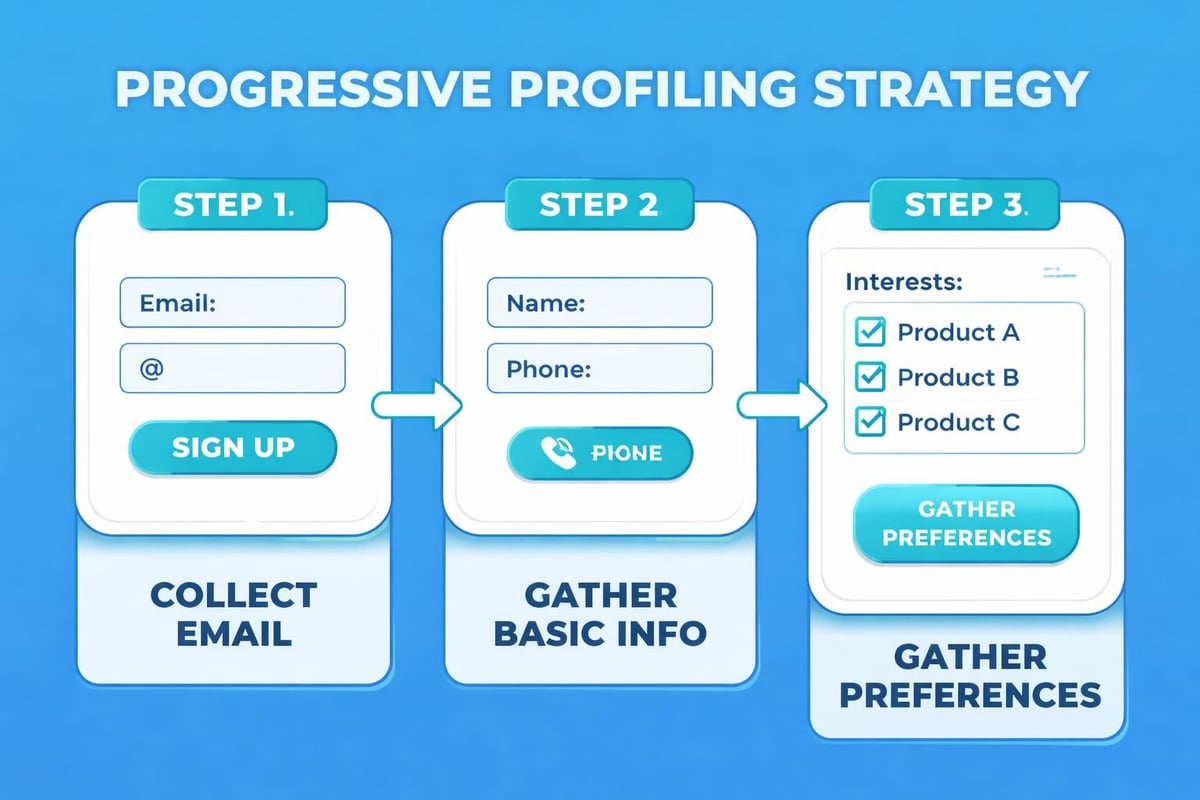
Form design significantly impacts whether you successfully collect the information you need. When businesses need email address data, they often make the mistake of requesting too much information upfront. Research consistently shows that shorter forms convert better, with single-field email captures outperforming multi-field alternatives by up to 25%.
Form optimisation best practices:
- Request only essential information initially
- Use clear, action-oriented button text
- Display trust signals (privacy policy links, security badges)
- Optimise for mobile devices
- Test different placements and designs
Managing and Securing Email Addresses
Once you've collected email addresses, proper management becomes paramount. The structure and syntax of email addresses requires validation systems to ensure data quality. Invalid addresses waste resources, damage sender reputation, and skew campaign metrics.
Email list hygiene practices:
- Validate addresses at point of collection
- Implement double opt-in verification
- Regularly remove inactive subscribers
- Monitor bounce rates and engagement metrics
- Segment lists for targeted communication
When small businesses need email address databases, they must balance accessibility with security. The NIST guidelines for electronic mail security provide comprehensive frameworks for protecting sensitive customer data. Implementing these standards prevents breaches whilst maintaining operational efficiency.
Data Security Measures
Email addresses represent valuable personal data requiring robust protection. You need email address security protocols that prevent unauthorised access, data breaches, and misuse. Small businesses often face similar threat levels as larger enterprises but typically have fewer resources for cybersecurity.
| Security Layer | Implementation | Priority Level |
|---|---|---|
| Encryption at rest | Database encryption | Critical |
| Encryption in transit | TLS/SSL protocols | Critical |
| Access controls | Role-based permissions | High |
| Regular backups | Automated daily backups | High |
| Audit logging | Activity monitoring | Medium |
Understanding email encryption methods helps protect both your business and your subscribers. When you need email address protection systems, choosing platforms with enterprise-grade security features provides peace of mind regardless of your business size. Astonish Email builds security into every aspect of its platform, ensuring small businesses maintain professional standards.
The Iowa Department of Management's email security standards outline minimum requirements that businesses should adopt. These guidelines cover client security, message protection, and employee training-all critical components when you need email address data safeguarded against modern threats.
Utilising Email Addresses Effectively
Collecting email addresses serves little purpose without strategic utilisation. When you need email address lists working for your business, segmentation transforms generic broadcasts into personalised conversations. Small businesses can compete with larger competitors by leveraging detailed customer data for targeted campaigns.
Segmentation Strategies
Effective segmentation requires understanding subscriber characteristics, behaviours, and preferences. You need email address organisation systems that allow complex filtering without requiring technical expertise. Modern email marketing platforms make sophisticated segmentation accessible to non-technical users.
Key segmentation criteria:
- Demographics: Age, location, job title
- Behavioural: Purchase history, email engagement, website activity
- Psychographic: Interests, values, lifestyle
- Lifecycle stage: New subscriber, active customer, at-risk
- Engagement level: Highly engaged, moderately engaged, inactive
When you segment your list, open rates typically increase by 14% whilst click-through rates jump by 101%. These improvements directly impact revenue, making segmentation essential rather than optional. Planning your email marketing approach should include segmentation capabilities as a non-negotiable requirement.
Personalisation Beyond First Names
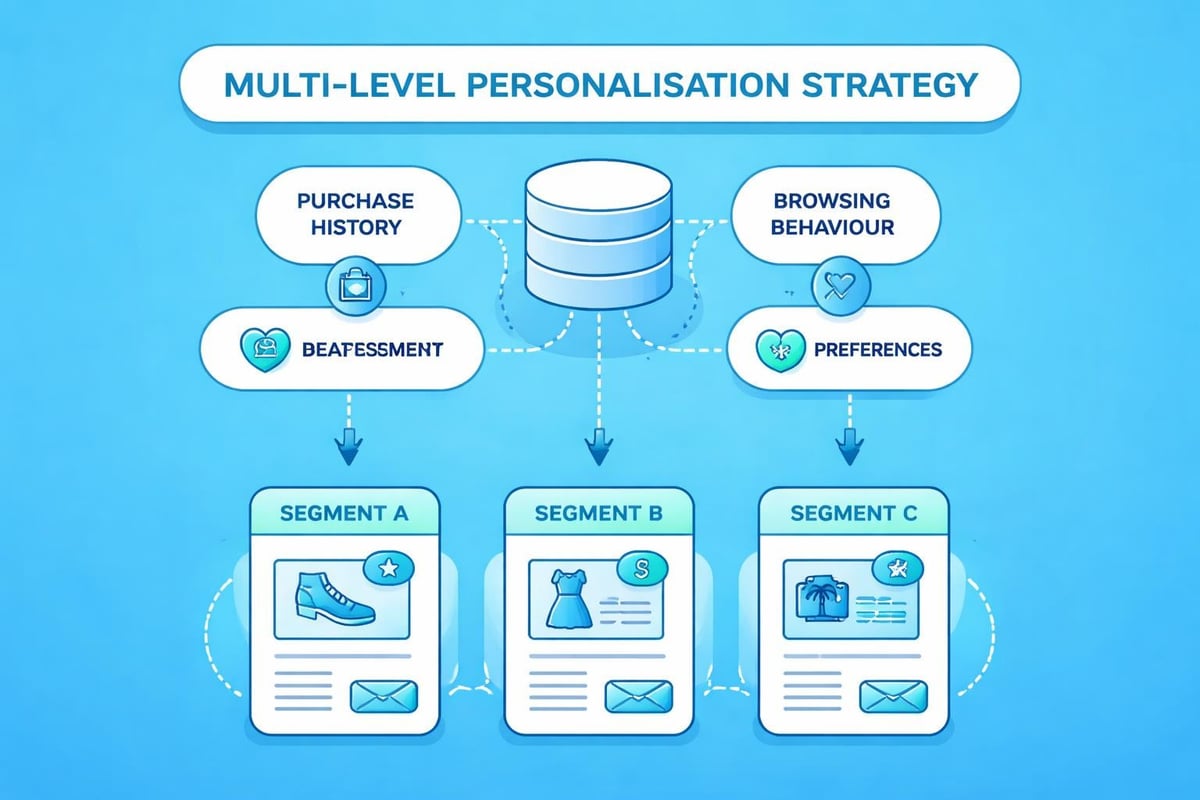
Modern consumers expect personalisation that extends beyond inserting their name in subject lines. You need email address data paired with behavioural information to deliver truly relevant content. Dynamic content blocks, triggered campaigns, and preference centres enable sophisticated personalisation without manual effort.
Advanced personalisation techniques:
- Product recommendations based on browsing history
- Location-specific offers and content
- Triggered emails based on specific actions
- Dynamic content blocks showing relevant information
- Send-time optimisation for individual subscribers
Carnegie Mellon University's email best practices guide emphasises the importance of crafting effective email communications through strategic use of subject lines and sender information. When you need email address lists working harder, these foundational elements significantly impact engagement.
Authentication and Deliverability
Having email addresses means nothing if your messages never reach inboxes. Email authentication protocols protect your sender reputation whilst ensuring deliverability. When you need email address data converting into revenue, technical setup determines whether your efforts succeed or fail.
Implementing Authentication Protocols
Three primary authentication protocols-SPF, DKIM, and DMARC-work together to verify your sending identity. DMARC in particular helps protect your email domain from unauthorised use whilst providing valuable feedback about your email ecosystem.
Authentication protocol benefits:
- SPF (Sender Policy Framework): Specifies authorised sending servers
- DKIM (DomainKeys Identified Mail): Cryptographically signs messages
- DMARC (Domain-based Message Authentication): Provides policy and reporting
Small businesses often overlook these technical requirements, damaging deliverability before campaigns even launch. You need email address lists paired with proper authentication to maximise inbox placement. Most professional email marketing platforms, including Astonish Email, handle these technical requirements automatically.
Maintaining Sender Reputation
Your sender reputation determines whether ISPs deliver your emails to inboxes or spam folders. When you need email address databases performing optimally, monitoring reputation metrics becomes essential. Factors influencing reputation include bounce rates, spam complaints, engagement levels, and sending patterns.
| Reputation Factor | Healthy Range | Action Required If Outside Range |
|---|---|---|
| Bounce Rate | <2% | Clean list, validate addresses |
| Spam Complaint Rate | <0.1% | Review content, improve targeting |
| Open Rate | >15% | Enhance subject lines, segment better |
| Unsubscribe Rate | <0.5% | Adjust frequency, improve relevance |
The San Diego State University email protection guide provides comprehensive strategies for maintaining secure and effective email communications. When you need email address protection whilst maximising deliverability, these institutional resources offer valuable frameworks applicable to businesses of all sizes.
Growing Your Email List Sustainably
List growth should prioritise quality subscribers over vanity metrics. You need email address acquisition strategies that attract genuinely interested prospects rather than inflating numbers with disengaged contacts. Sustainable growth focuses on long-term engagement rather than short-term spikes.
Content Marketing Integration
Content marketing naturally attracts subscribers interested in your expertise. When you need email address collection integrated with content strategy, blog posts, videos, podcasts, and social media all become lead generation channels. Each piece of content should include clear calls-to-action guiding readers toward subscription.
Content-driven growth tactics:
- Gated premium content requiring email registration
- Newsletter-exclusive insights and updates
- Content upgrades enhancing existing articles
- Webinar and workshop registrations
- Free tool access in exchange for email
Advertising opportunities in newsletters demonstrate how valuable engaged email lists become. When you build a quality list, monetisation opportunities extend beyond direct product sales.
Referral and Partnership Programmes
Leveraging existing subscribers to grow your list multiplies acquisition efforts. You need email address referral systems that incentivise sharing whilst maintaining list quality. Partner collaborations with complementary businesses expose your brand to relevant new audiences.
Strategic partnerships work particularly well for small businesses with limited marketing budgets. Co-hosting webinars, creating joint content, or cross-promoting to each other's lists provides mutual benefits. When you need email address growth without substantial advertising spend, partnerships offer cost-effective alternatives.
Compliance and Privacy Considerations
Data protection regulations continue evolving, making ongoing compliance essential. When you need email address handling procedures, staying current with regulatory requirements protects your business from penalties whilst building customer trust. The 2026 landscape includes enhanced enforcement and stricter interpretation of existing laws.
GDPR and Data Protection
UK GDPR requirements apply to any business processing data of UK residents, regardless of business location. You need email address management systems with built-in compliance features including consent tracking, data access requests, and right to erasure capabilities.
Core GDPR compliance requirements:
- Lawful basis for processing (usually consent)
- Clear privacy notices explaining data use
- Data minimisation (collect only necessary information)
- Storage limitation (delete when no longer needed)
- Security measures protecting personal data
Astonish Email's data retention policy demonstrates how responsible platforms handle customer data. When you choose email marketing tools, compliance features should rank alongside functionality and pricing.
International Considerations
If your business serves international customers, you need email address compliance spanning multiple jurisdictions. Canada's CASL, California's CCPA, and other regional regulations impose varying requirements. Understanding applicable laws prevents costly violations whilst demonstrating respect for subscriber preferences.
Ohio University's email best practices emphasise secure digital communication principles applicable across jurisdictions. When you need email address systems serving global audiences, universal best practices provide a strong foundation for regulatory compliance.
Understanding why and how you need email address information transforms email marketing from a tactical activity into a strategic asset. Proper collection, security, and utilisation of email addresses enables small businesses to compete effectively whilst building lasting customer relationships. Astonish Email provides small businesses with enterprise-grade email marketing capabilities, handling technical complexities whilst you focus on growing your business. Start building your email marketing foundation today with tools designed specifically for small business success.